
Project 1
Design Foundations (Ink & Paper Transformation)
Course Description
This project introduces the fundamentals of two-dimensional design through the transformation of ink and paper. Students will explore how line, shape, rhythm, and unity work together to build strong visual compositions. The project emphasizes creative problem-solving, craftsmanship, and design thinking as a foundation for future studio projects.
Project Concept
Using only black and white, students will develop several design studies to investigate visual relationships. These explorations will culminate in a final large-scale composition that demonstrates rhythm and unity through thoughtful use of line and shape. The project stresses both process (sketches, experiments, studies) and final presentation.
Project Objectives
By completing this project, students will be able to:
Identify and apply the design principles of line, shape, rhythm, and unity.
Translate small studies into a cohesive large-scale composition.
Experiment with multiple methods of visual problem-solving (ink, cut paper, or hybrid).
Demonstrate craftsmanship in cutting, gluing, and composition assembly.
Write a short reflection articulating their design choices and process.
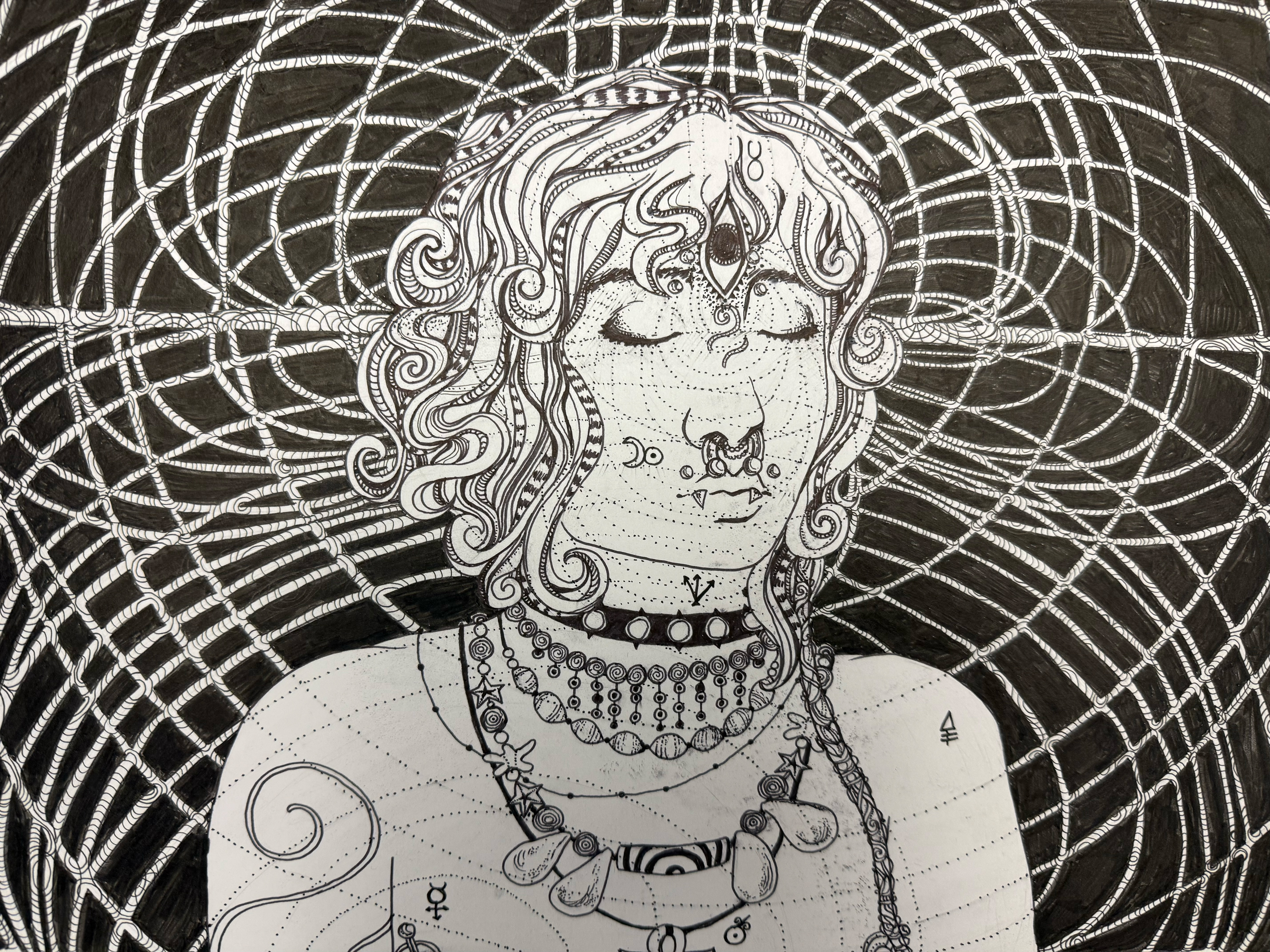
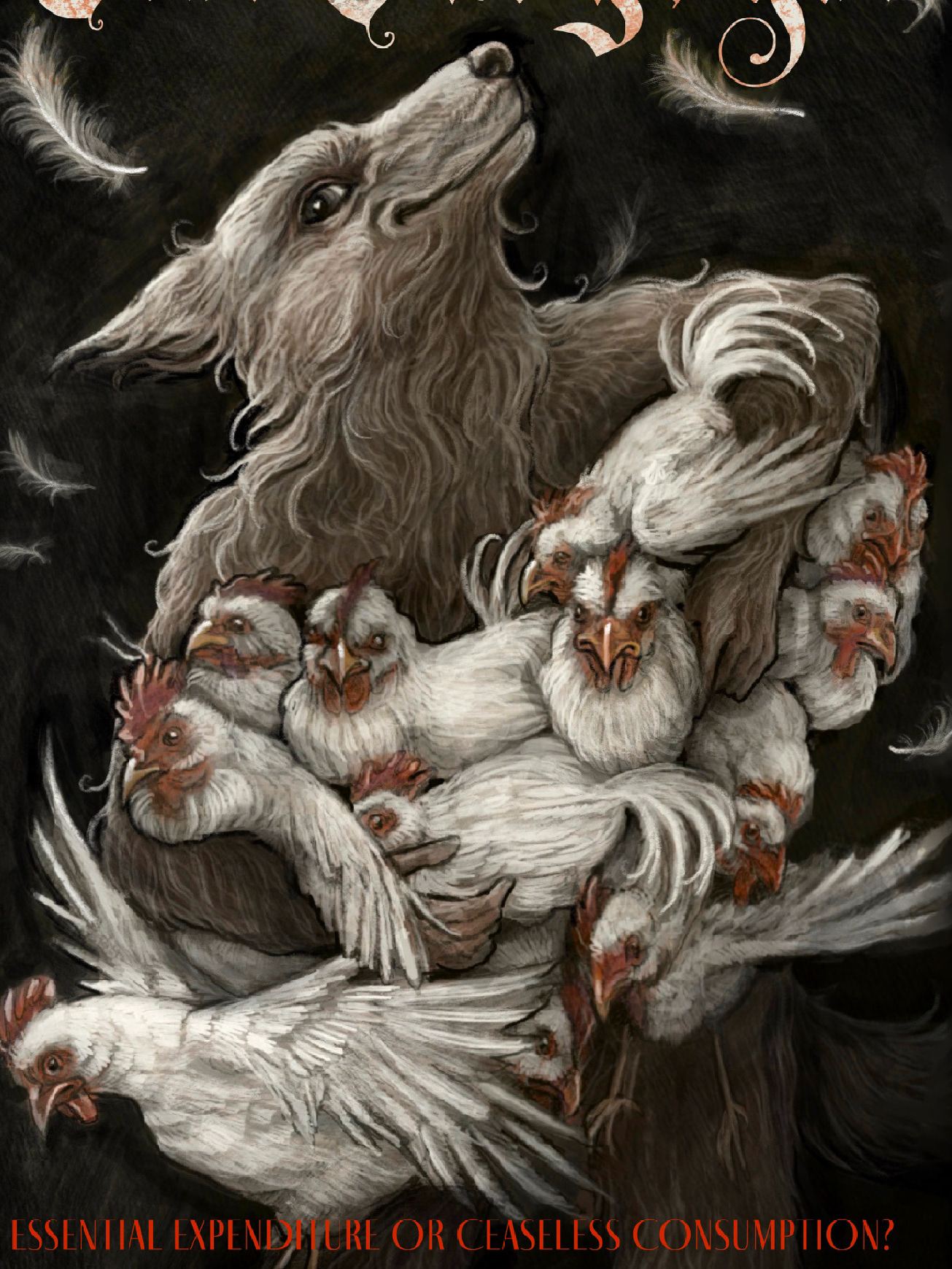
West_ x. _2026 Fall_ART 225_2D Materials & Concepts_11" x 14"
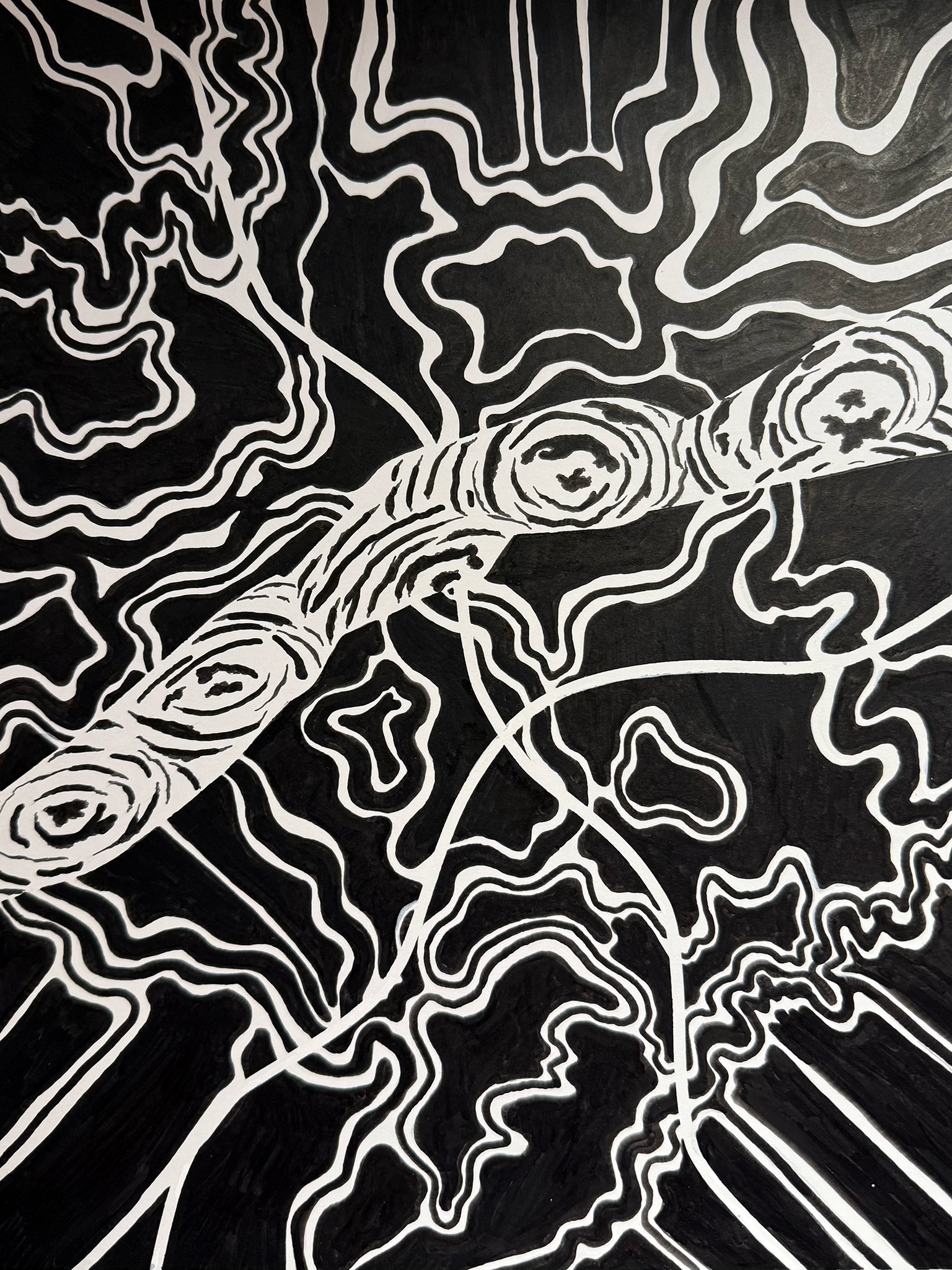
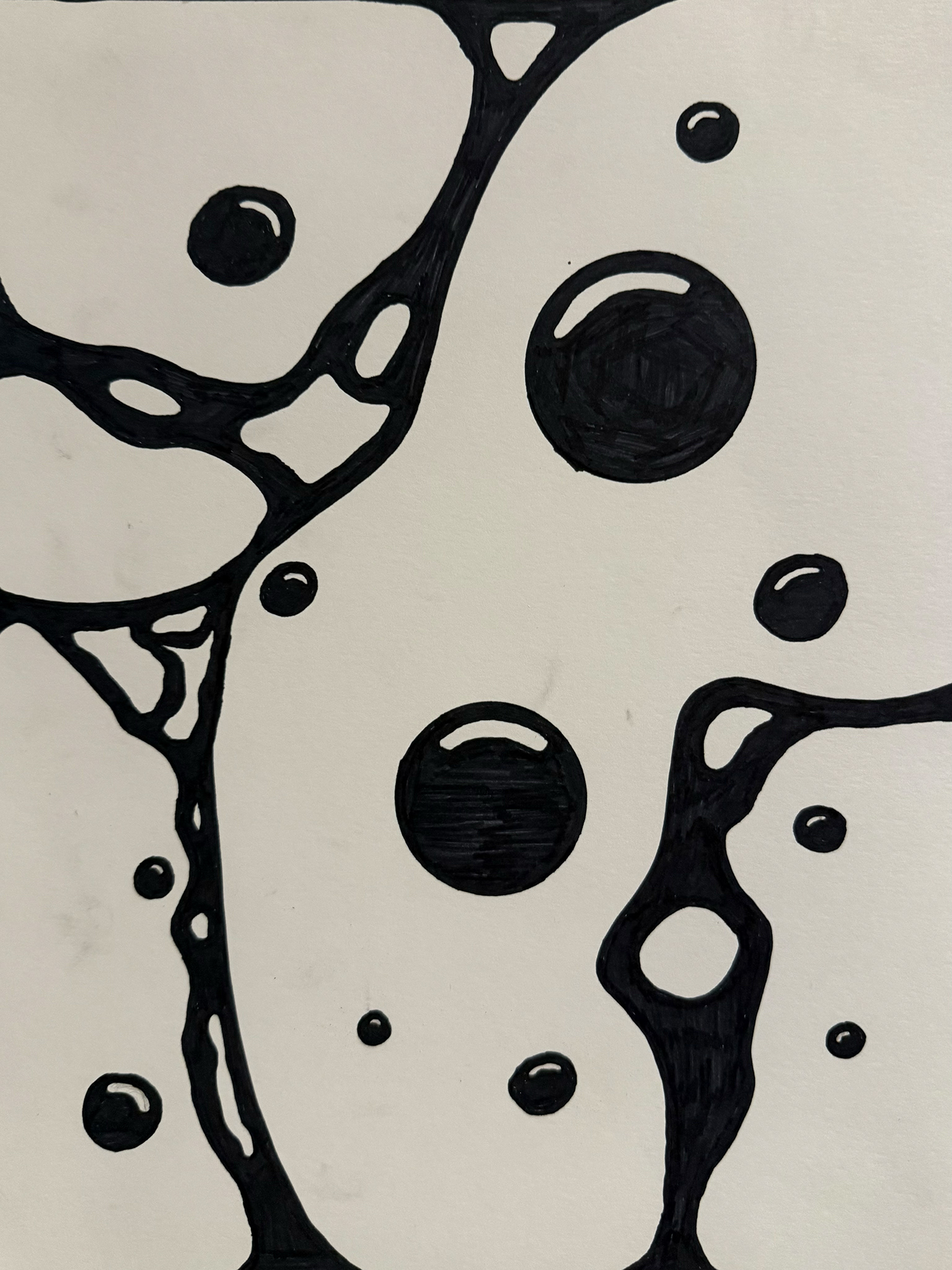
x x. _2025 Fall_ART 225_2D Materials & Concepts_11" x 14"
x x. _2025 Fall_ART 225_2D Materials & Concepts_11" x 14"
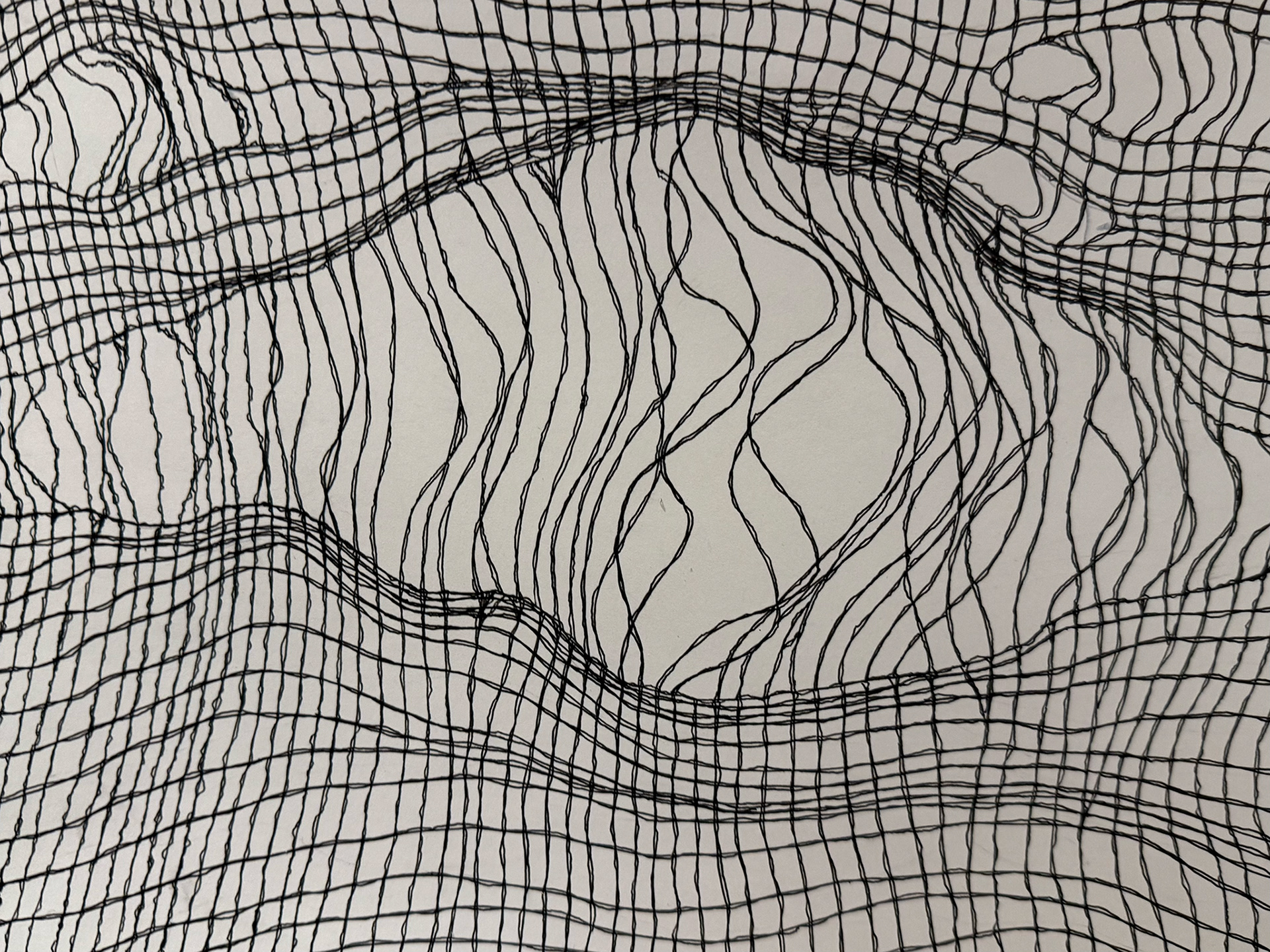
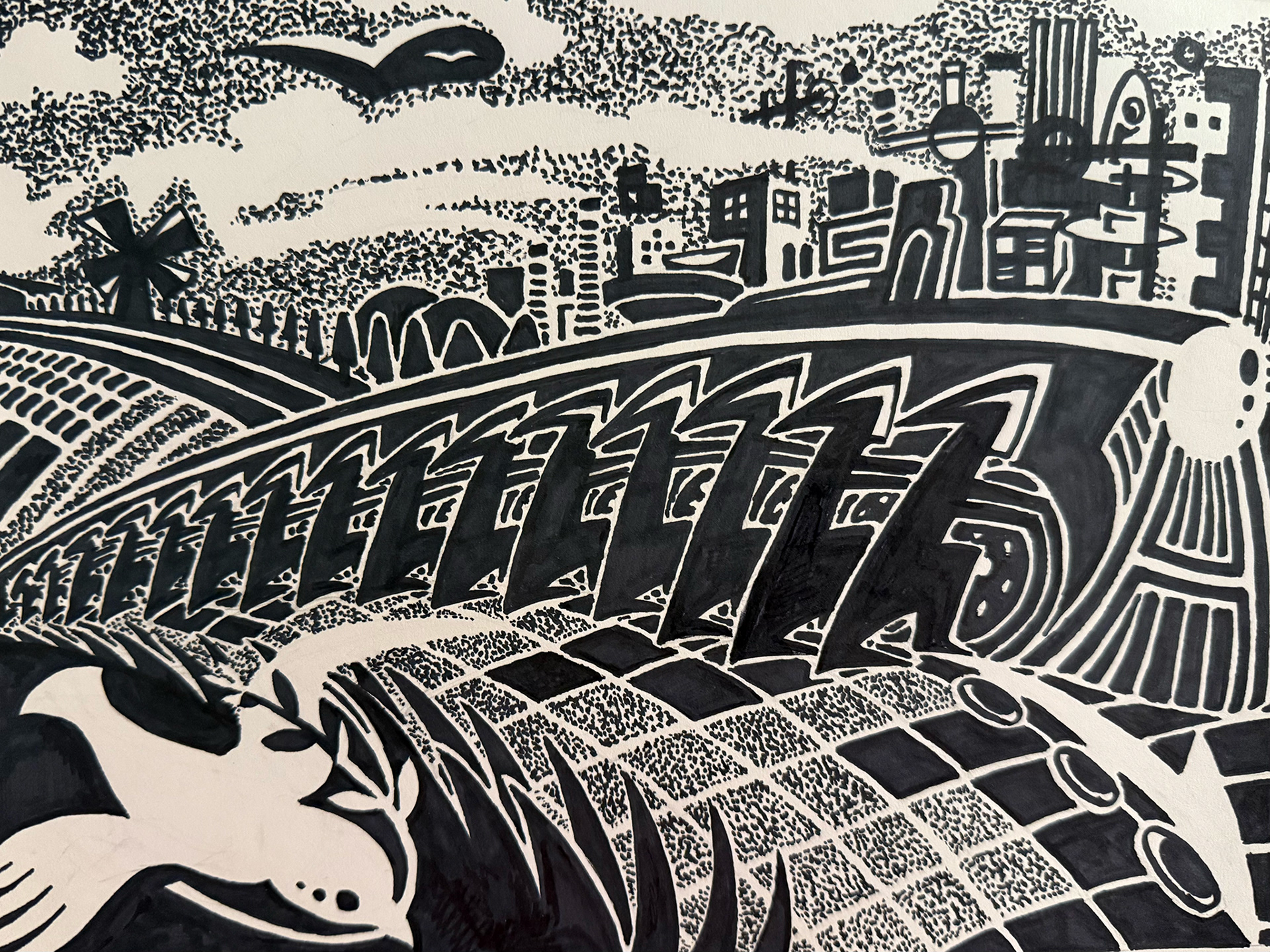
Sidney x. _2025 Fall_ART 225_2D Materials & Concepts_11" x 14"
Raul x. _2025 Fall_ART 225_2D Materials & Concepts_11" x 14"
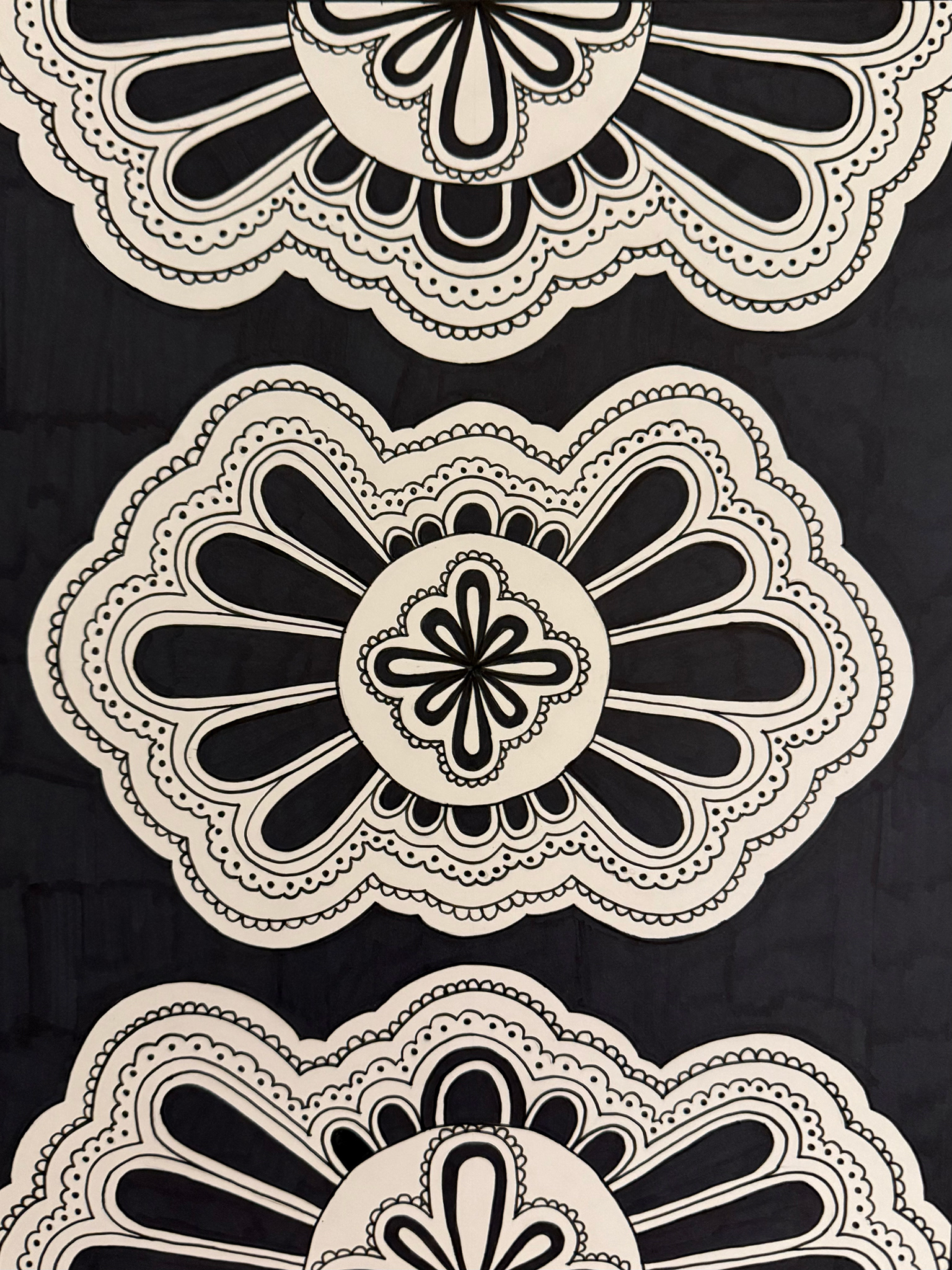
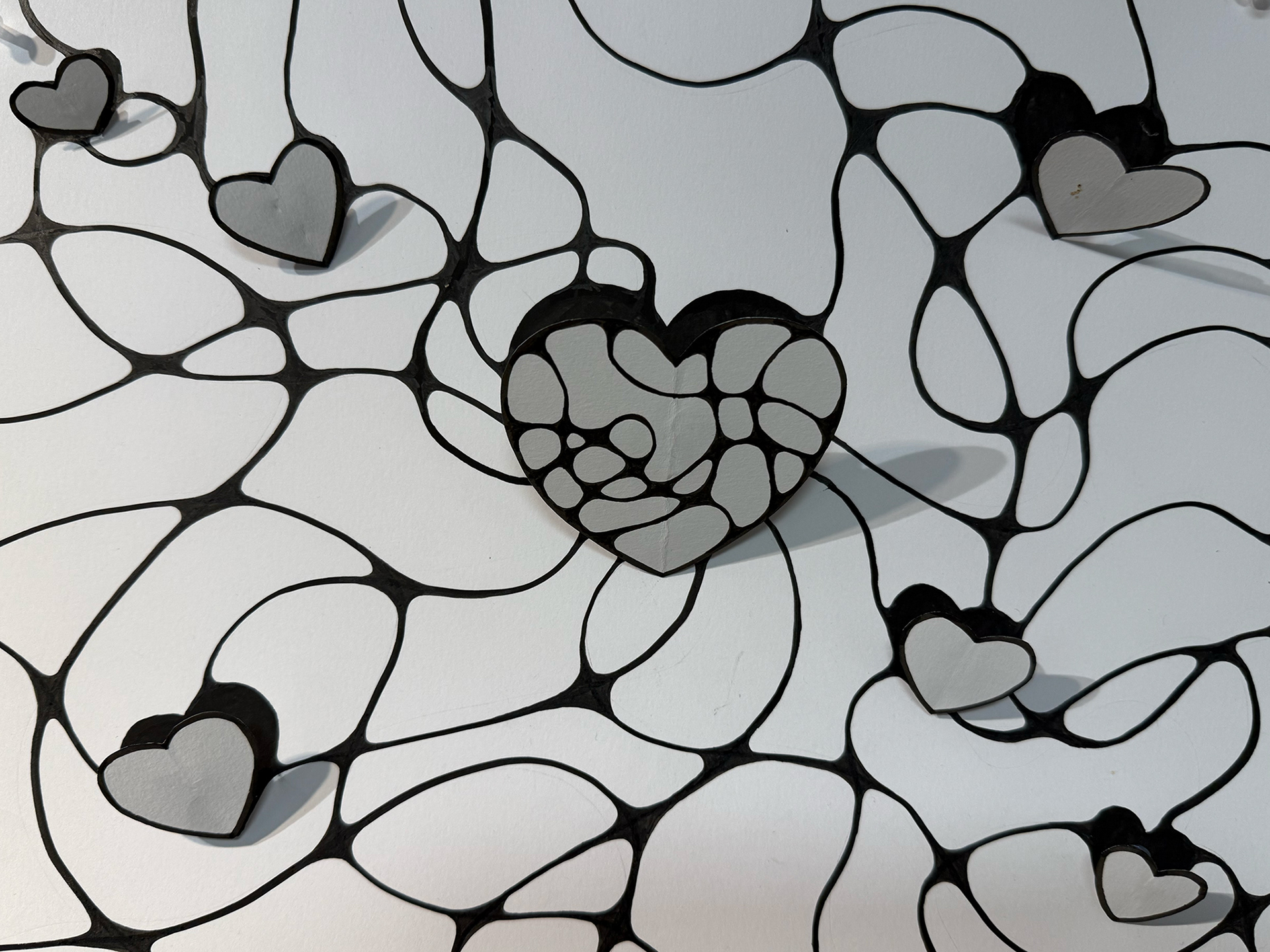
Sammi x. _2025 Fall_ART 225_2D Materials & Concepts_11" x 14"
Sammi x. _2025 Fall_ART 225_2D Materials & Concepts_11" x 14"
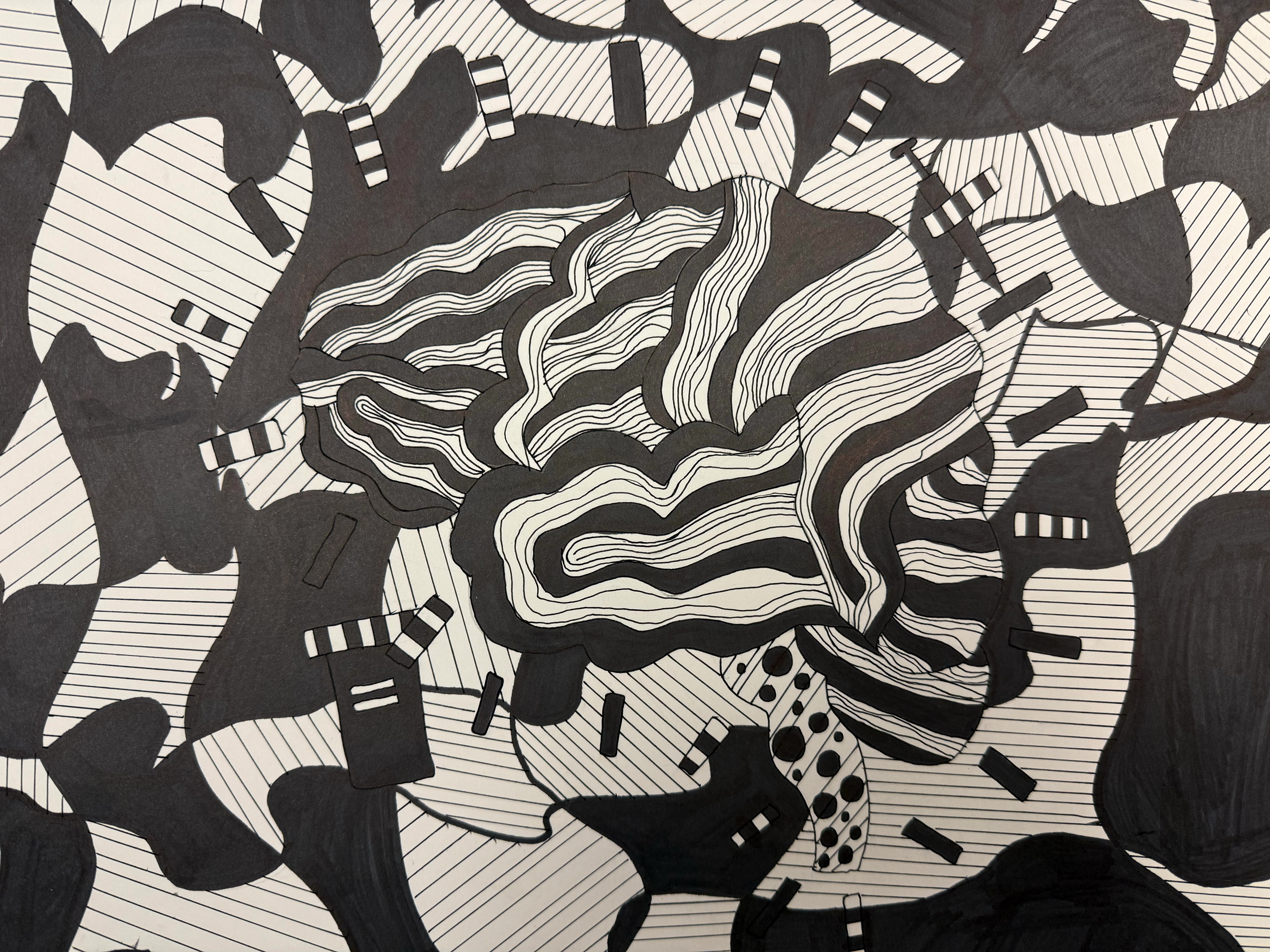
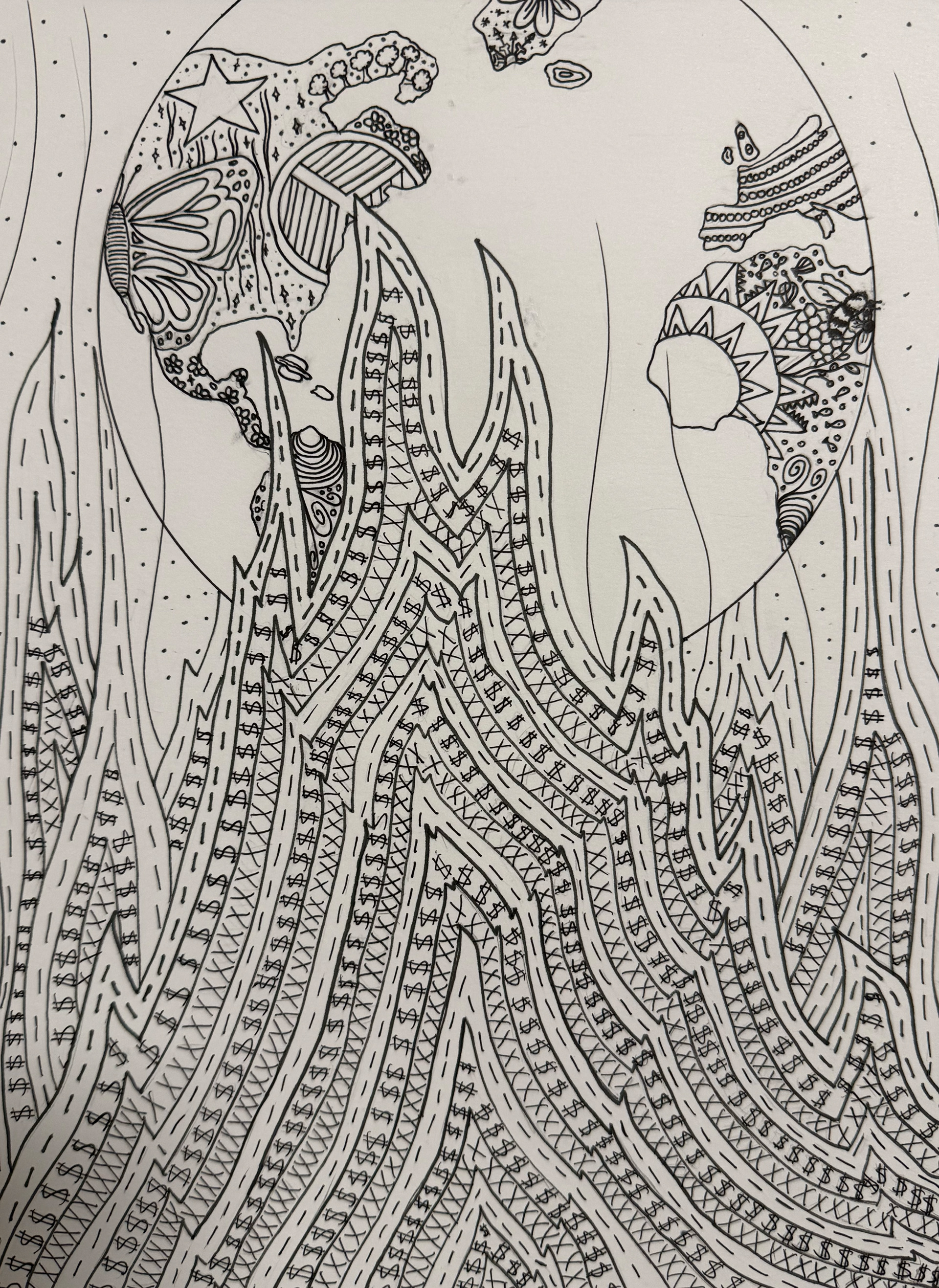
Hailey x. _2026 Fall_ART 225_2D Materials & Concepts_11" x 14"
x x. _2026 Fall_ART 225_2D Materials & Concepts_11" x 14"
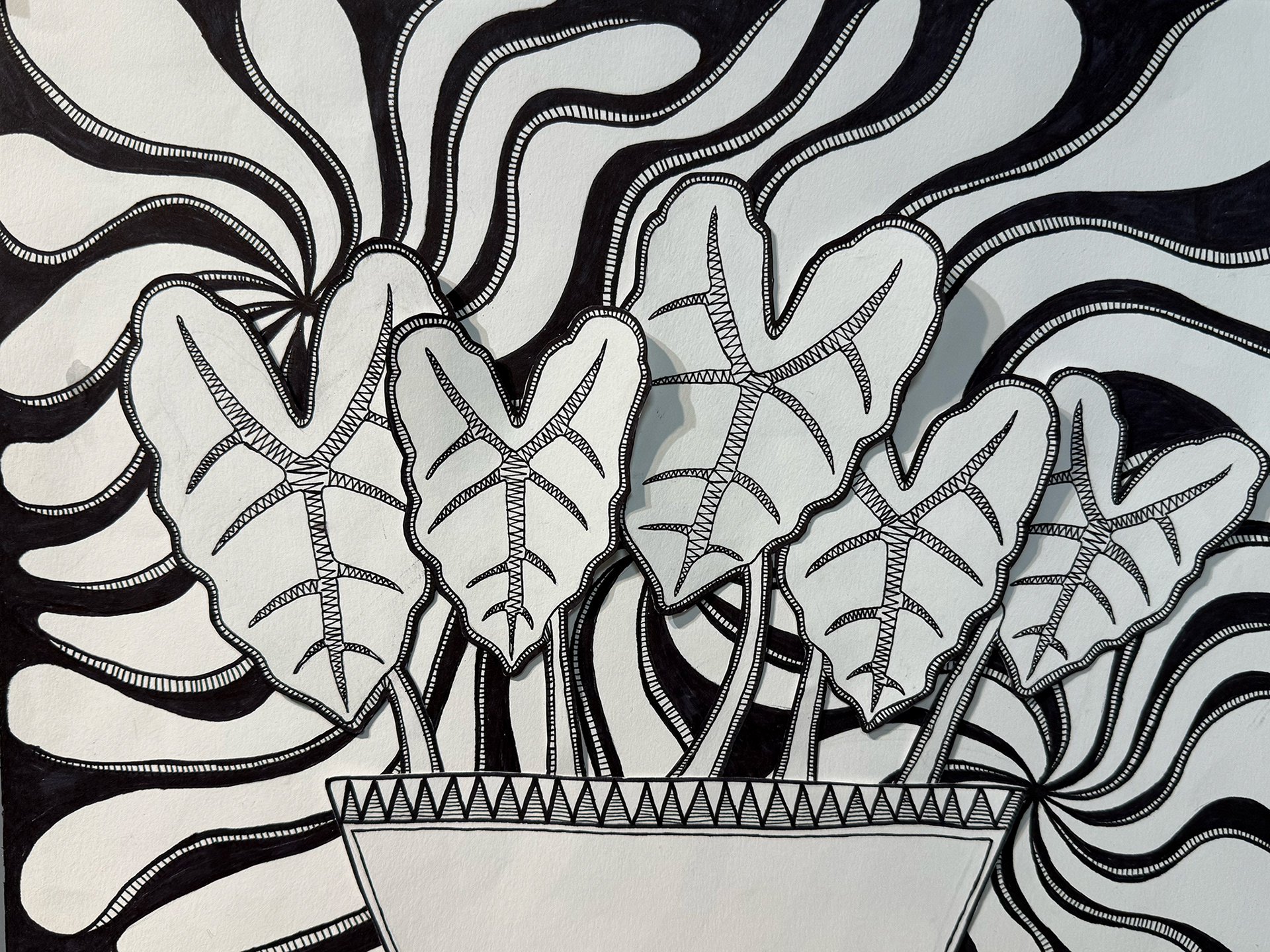
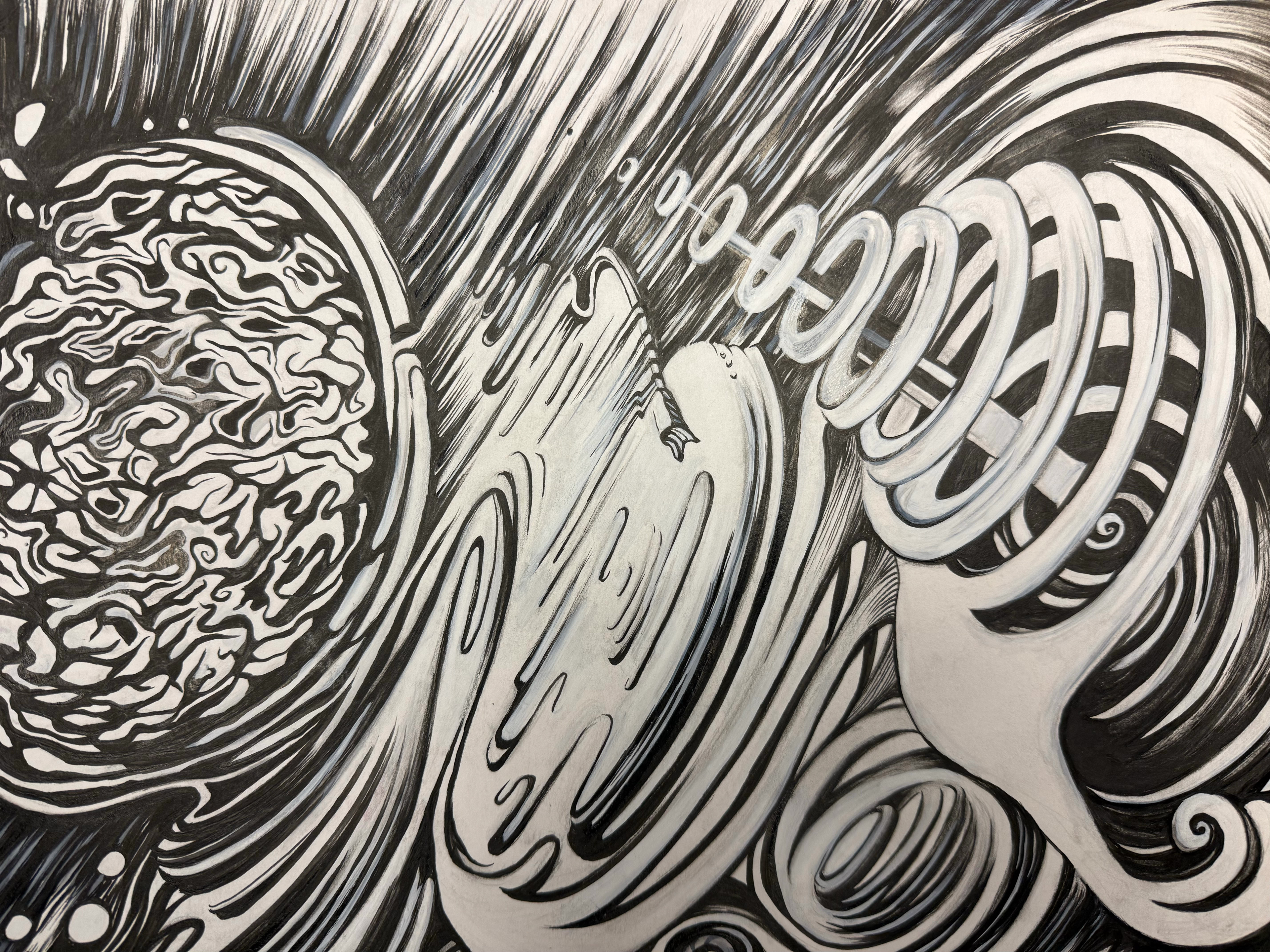
Addie x. _2026 Spring_ART 225_2D Materials & Concepts_11" x 14"
Talia x. _2026 Fall_ART 225_2D Materials & Concepts_11" x 14"
Project 2
Tonal Portraits (Hue & Meaning)
Description
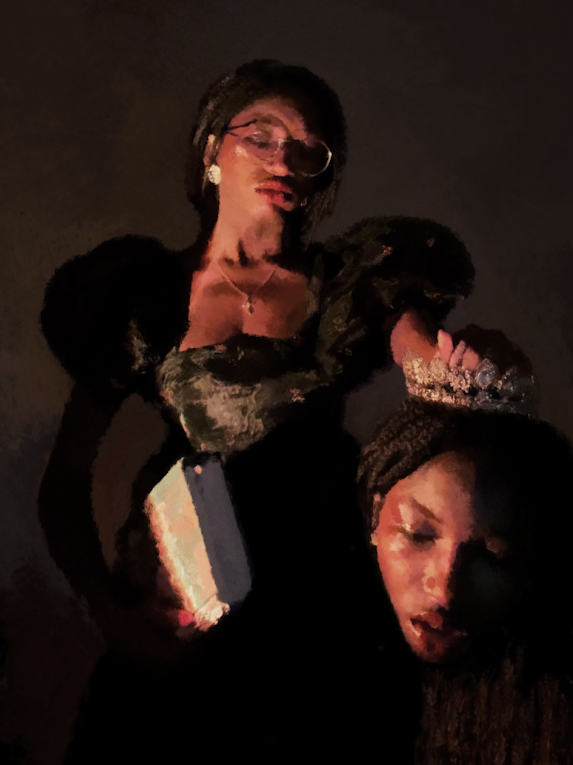
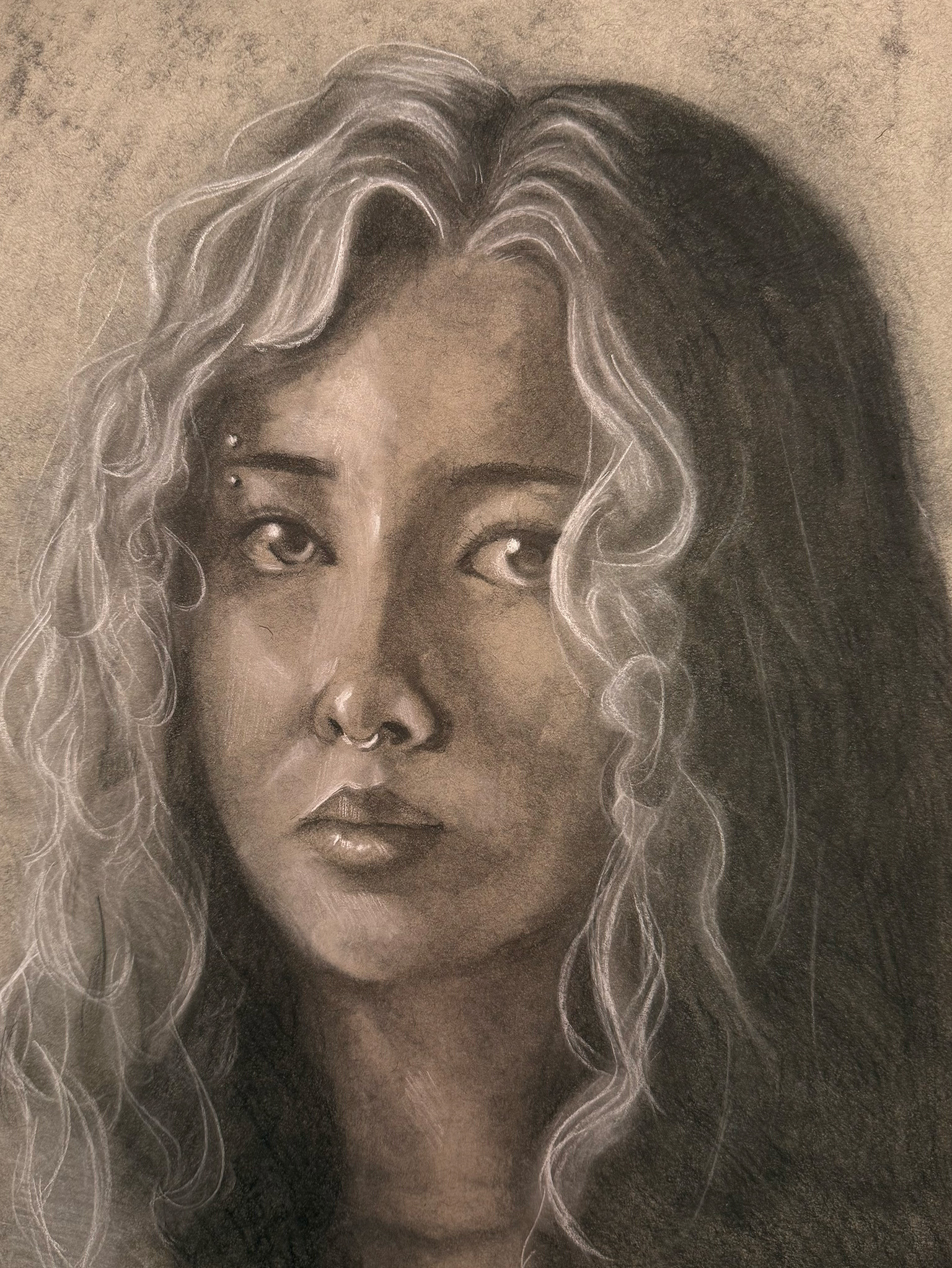
In this project, you will build on what you have learned about two-dimensional design by exploring color, tone, and mood. You will create a portrait or figure or abstract representation of one of your classmates using only shades and tints of a single color (one hue).The goal is to capture who they are, their personality and energy, through your use of color and composition. Your final piece will reimagine your classmate as the subject of a movie poster or album cover, showing how design and emotion can work together to tell a story. You can use black and white as colors for the text or any where fit.
Project Concept
Choose one color and use its light and dark versions (tints, tones, and shades) to create a portrait that shows your classmates character and mood. Think about how you can use shape, proportion, and color value to express a feeling or idea. The final piece should feel like a creative remix of your classmate’s personality, something that could fit the theme or vibe of a film or music album. This project focuses on concept development, color awareness, and creative storytelling through design and traditional media.
Project Objectives
By the end of this project, you should be able to:
Use color harmony, tone, and contrast within a single-color palette.
Show your partner’s personality or mood through your design choices.
Turn a portrait into a narrative design (album cover or movie poster).
Demonstrate good craftsmanship and attention to detail.
Explain your creative decisions and process in writing.
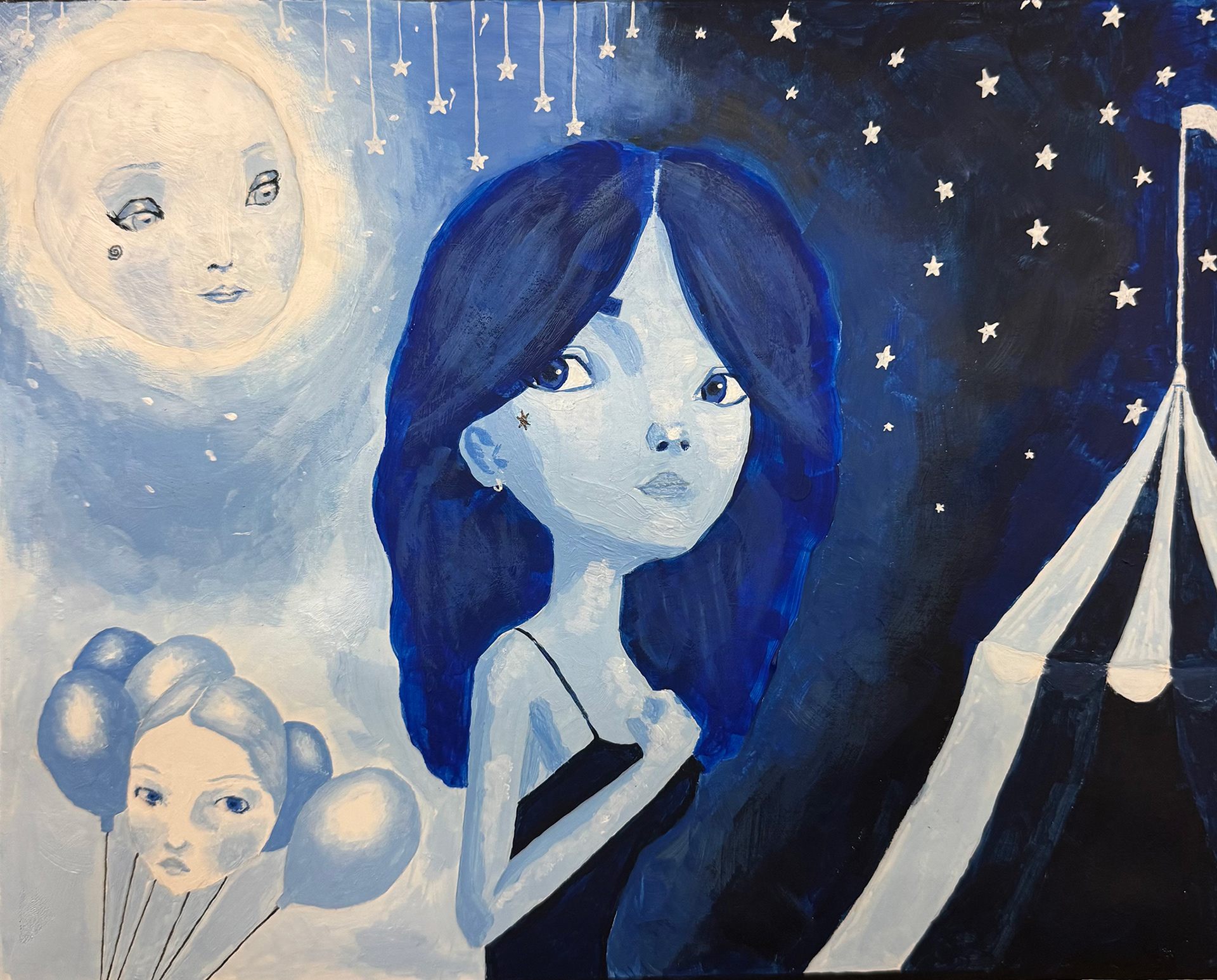
Sidney x. _2025 Fall_ART 225_2D Materials & Concepts_11" x 14"
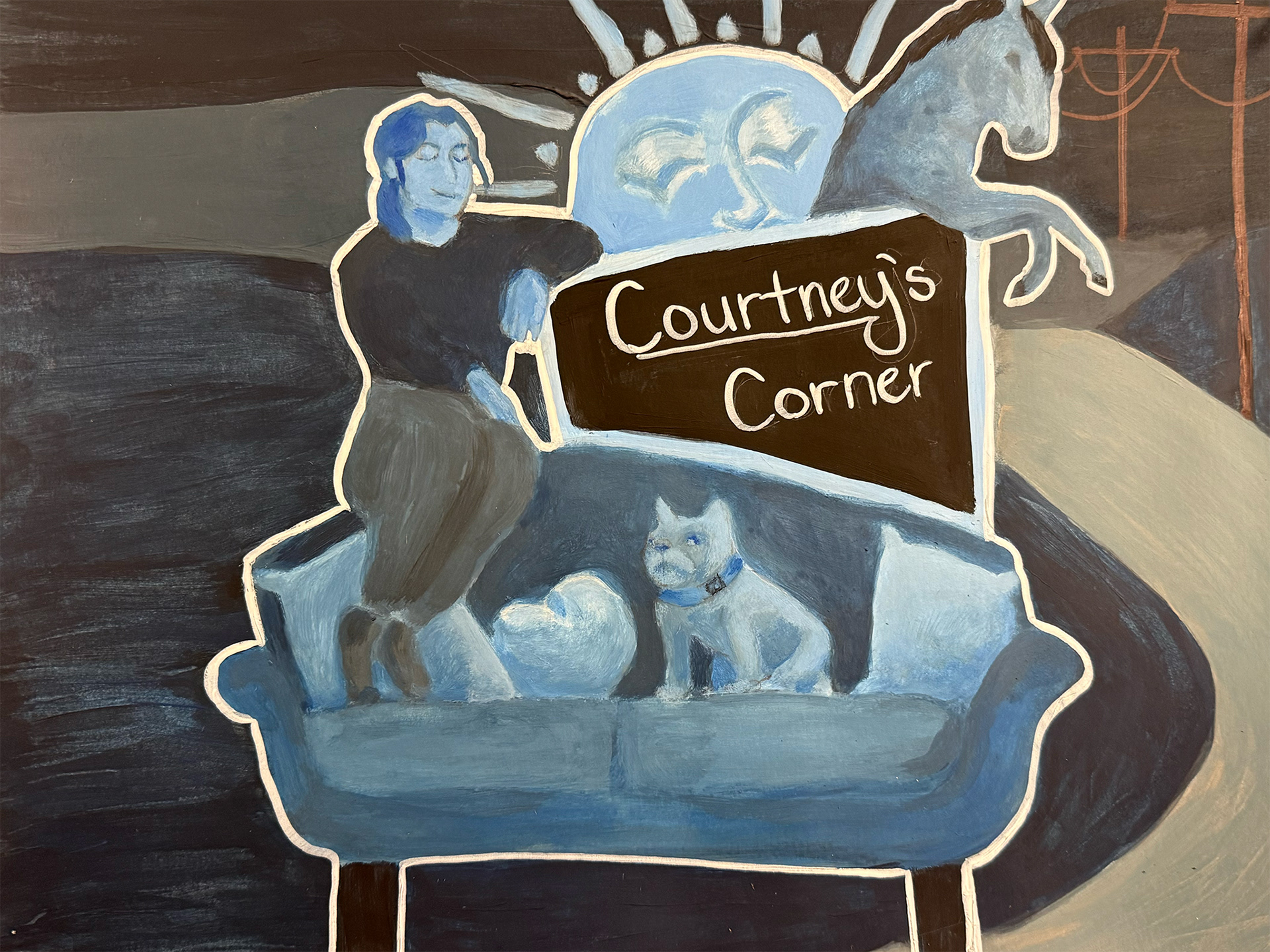
Noelle x. _2026 Spring_ART 225_2D Materials & Concepts_11" x 14"
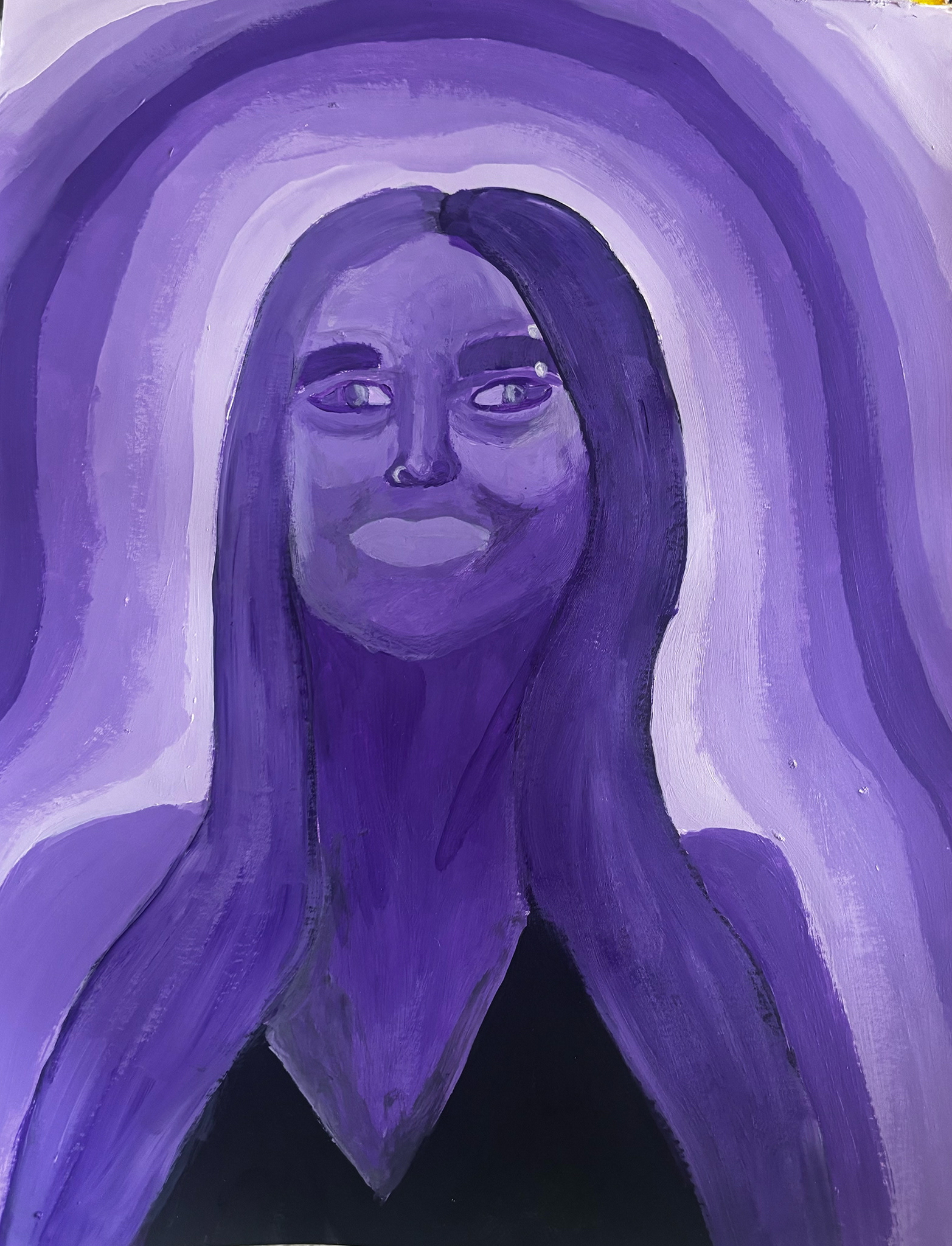
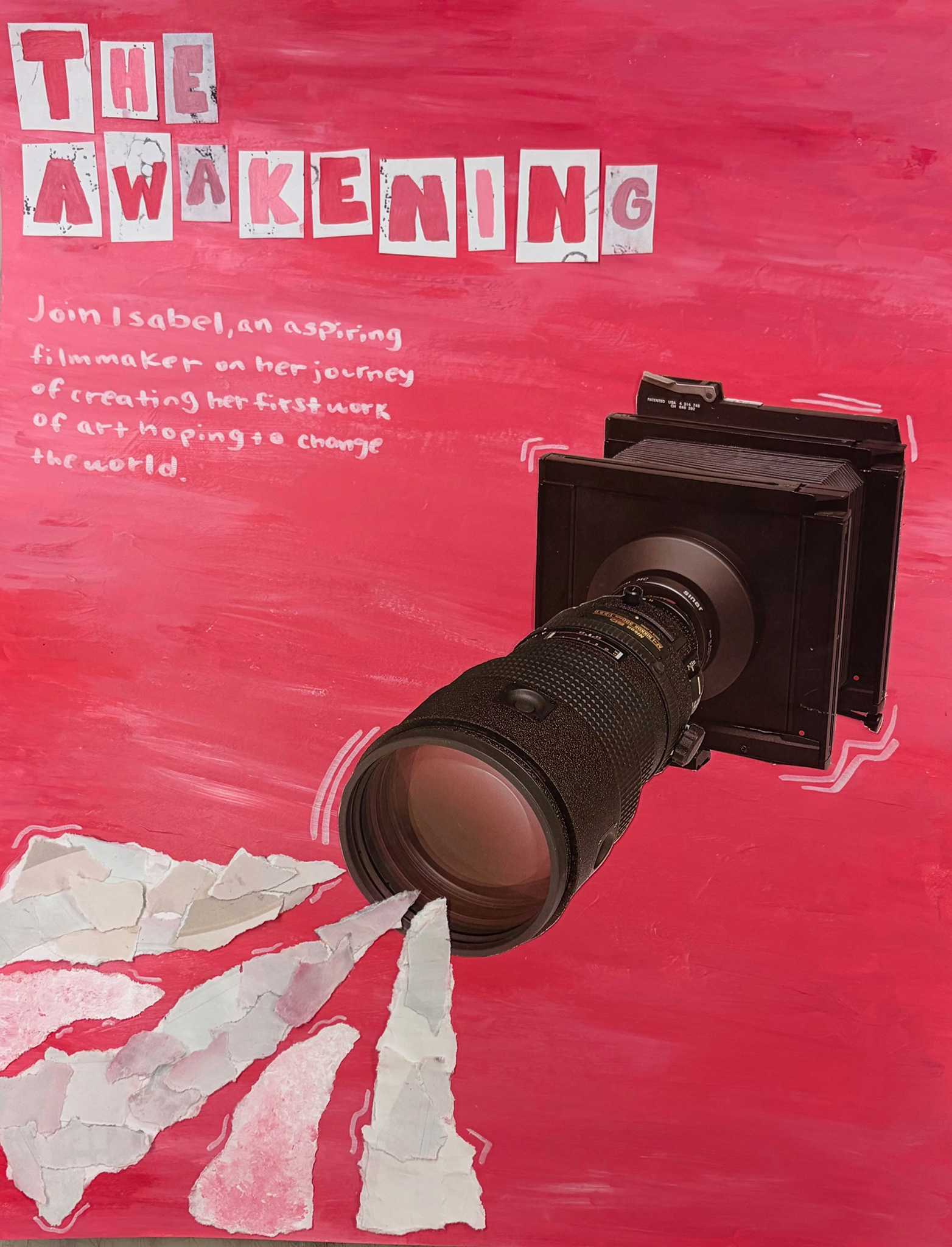
x x. _2025 Fall_ART 225_2D Materials & Concepts_11" x 14"
x x. _2025 Fall_ART 225_2D Materials & Concepts_11" x 14"
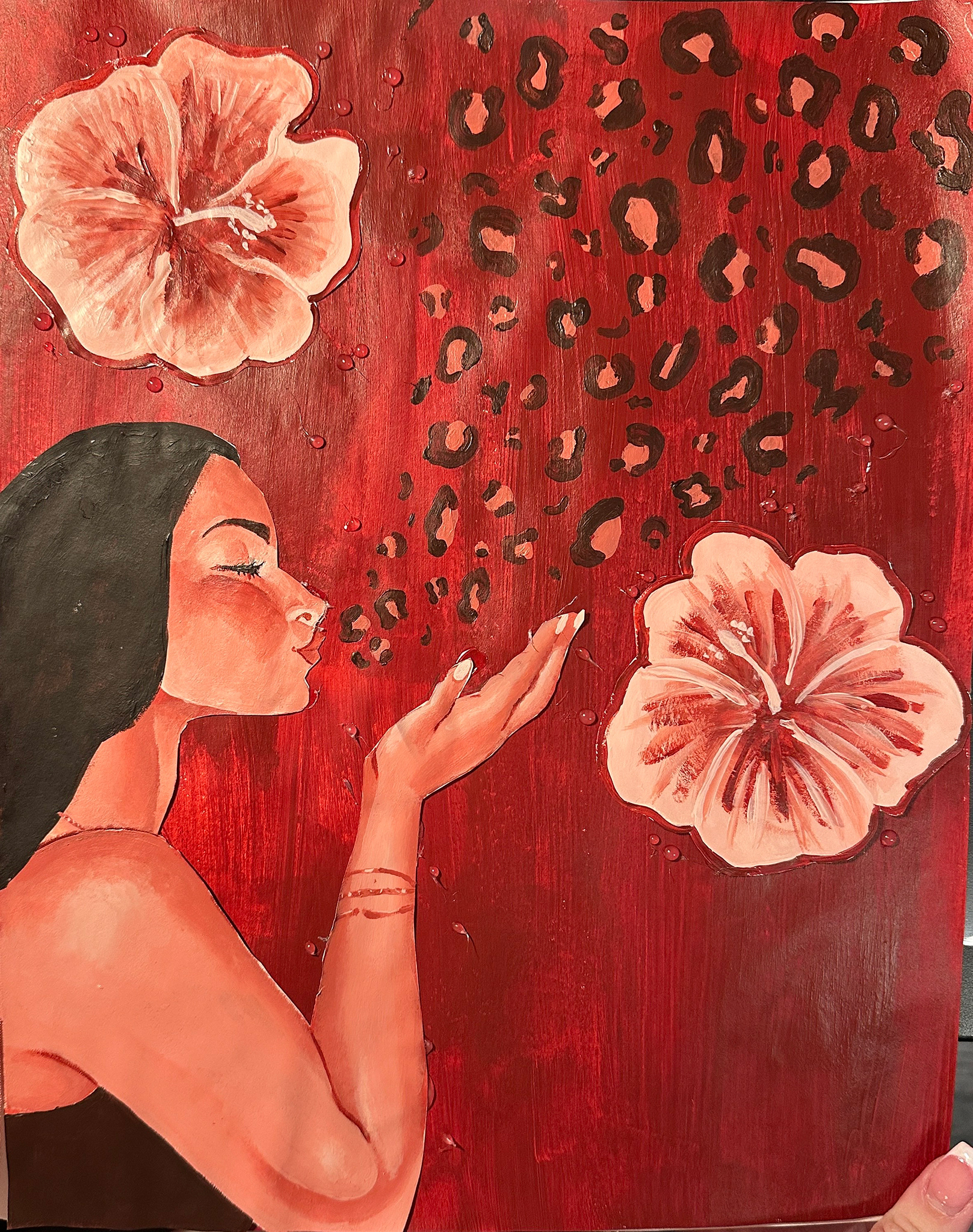
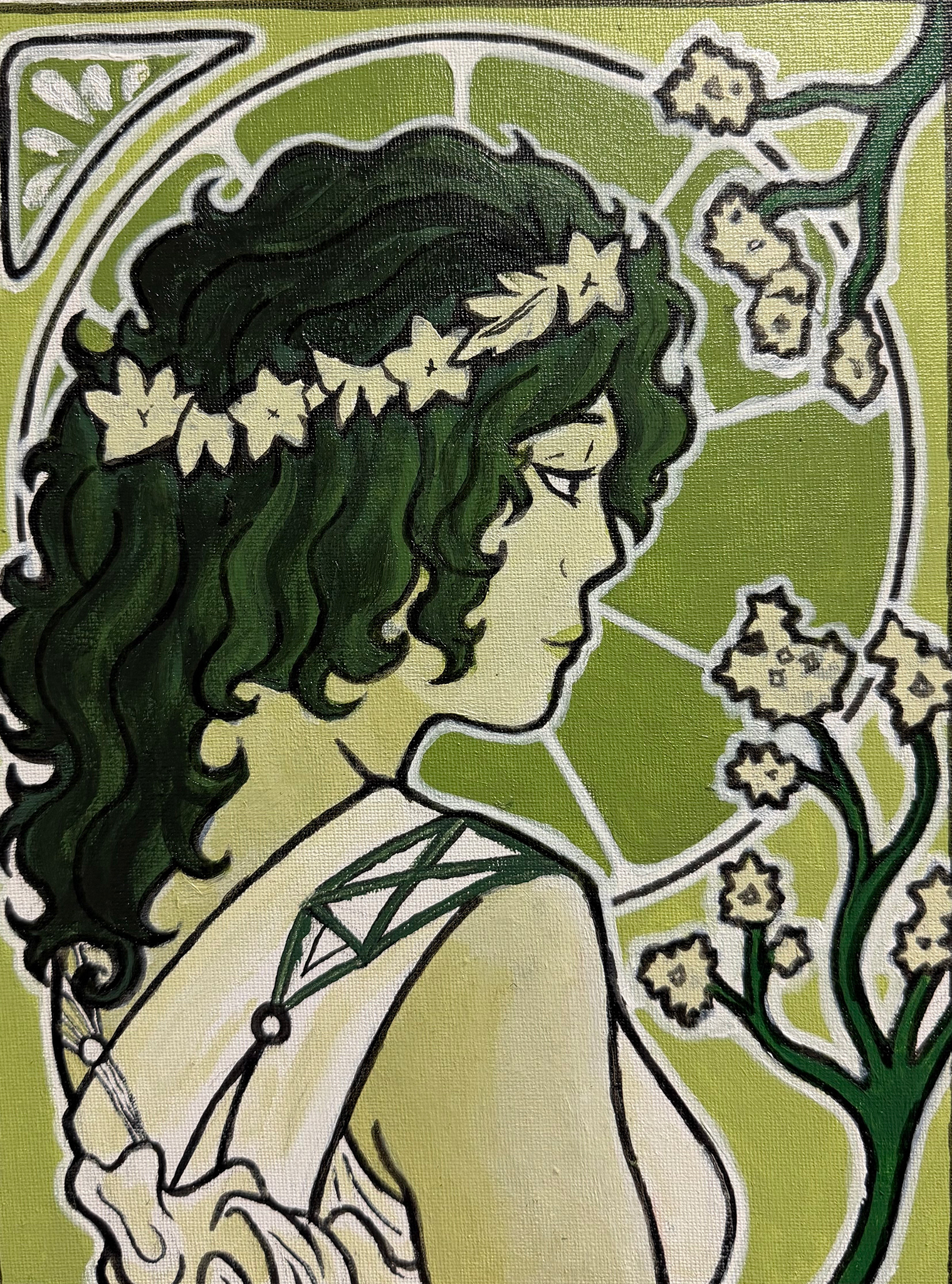
Morgan x. _2025 Fall_ART 225_2D Materials & Concepts_11" x 14"
Luna x. _2025 Fall_ART 225_2D Materials & Concepts_11" x 14"
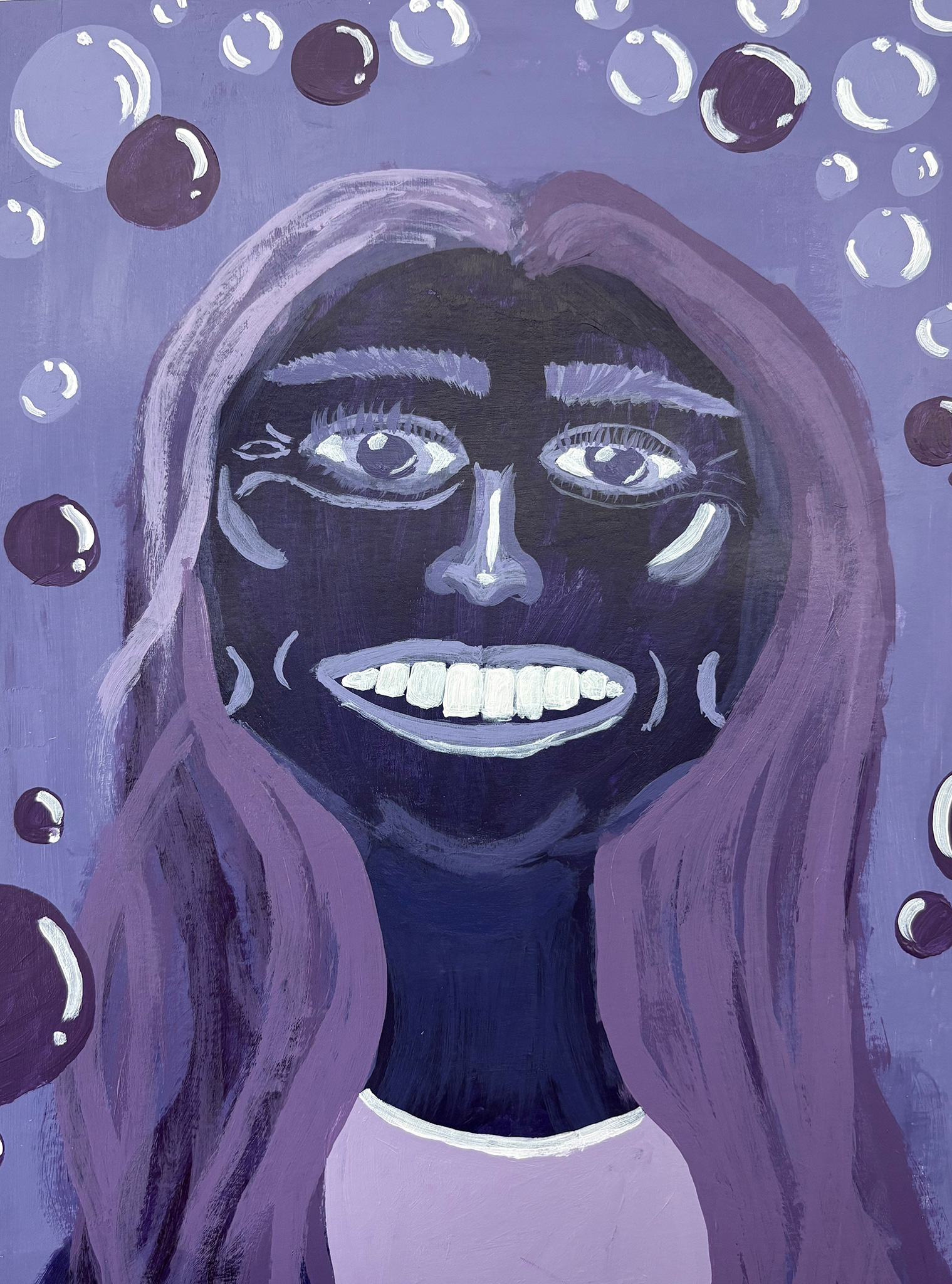
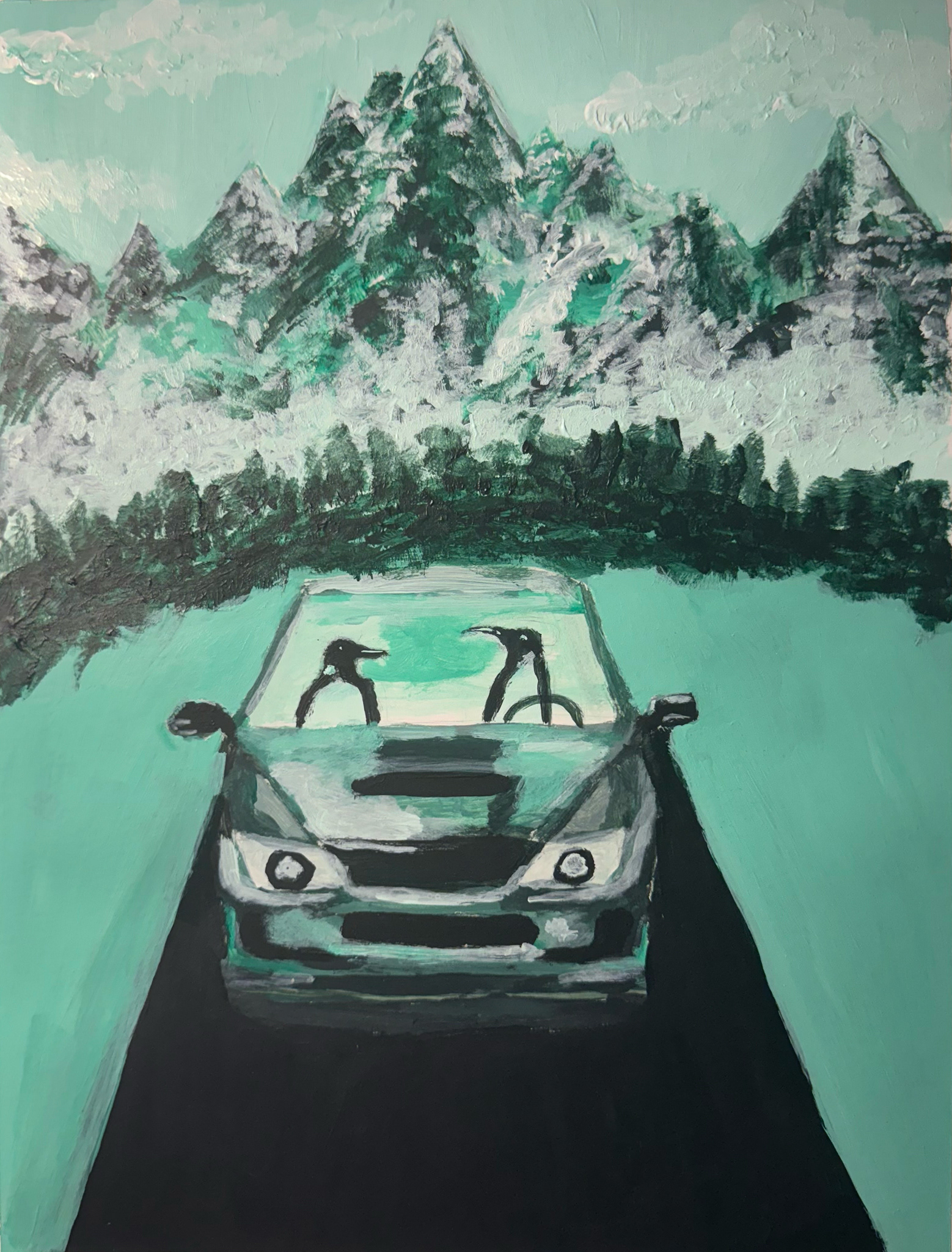
x x. _2025 Fall_ART 225_2D Materials & Concepts_11" x 14"
x x. _2025 Fall_ART 225_2D Materials & Concepts_11" x 14"
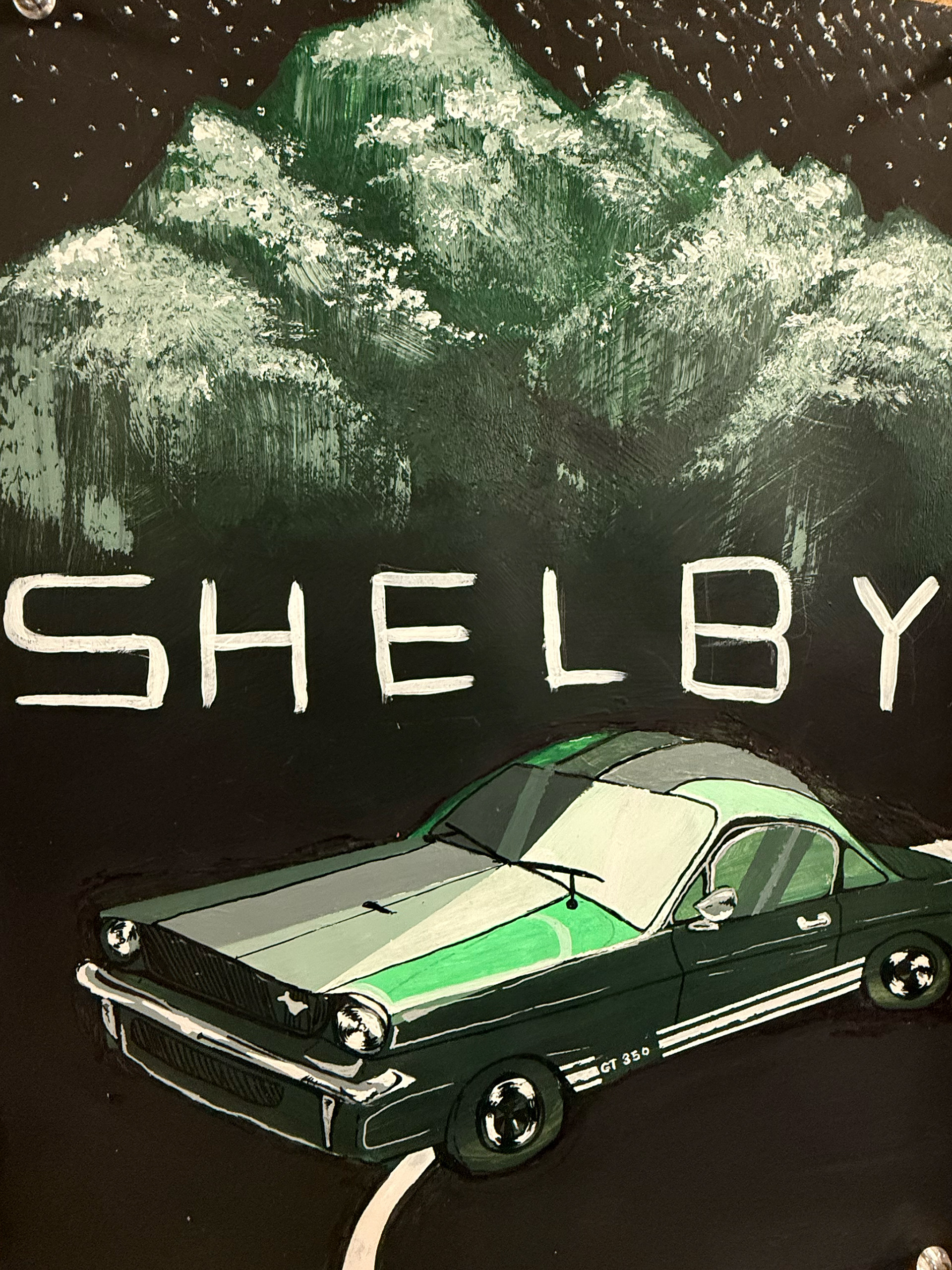
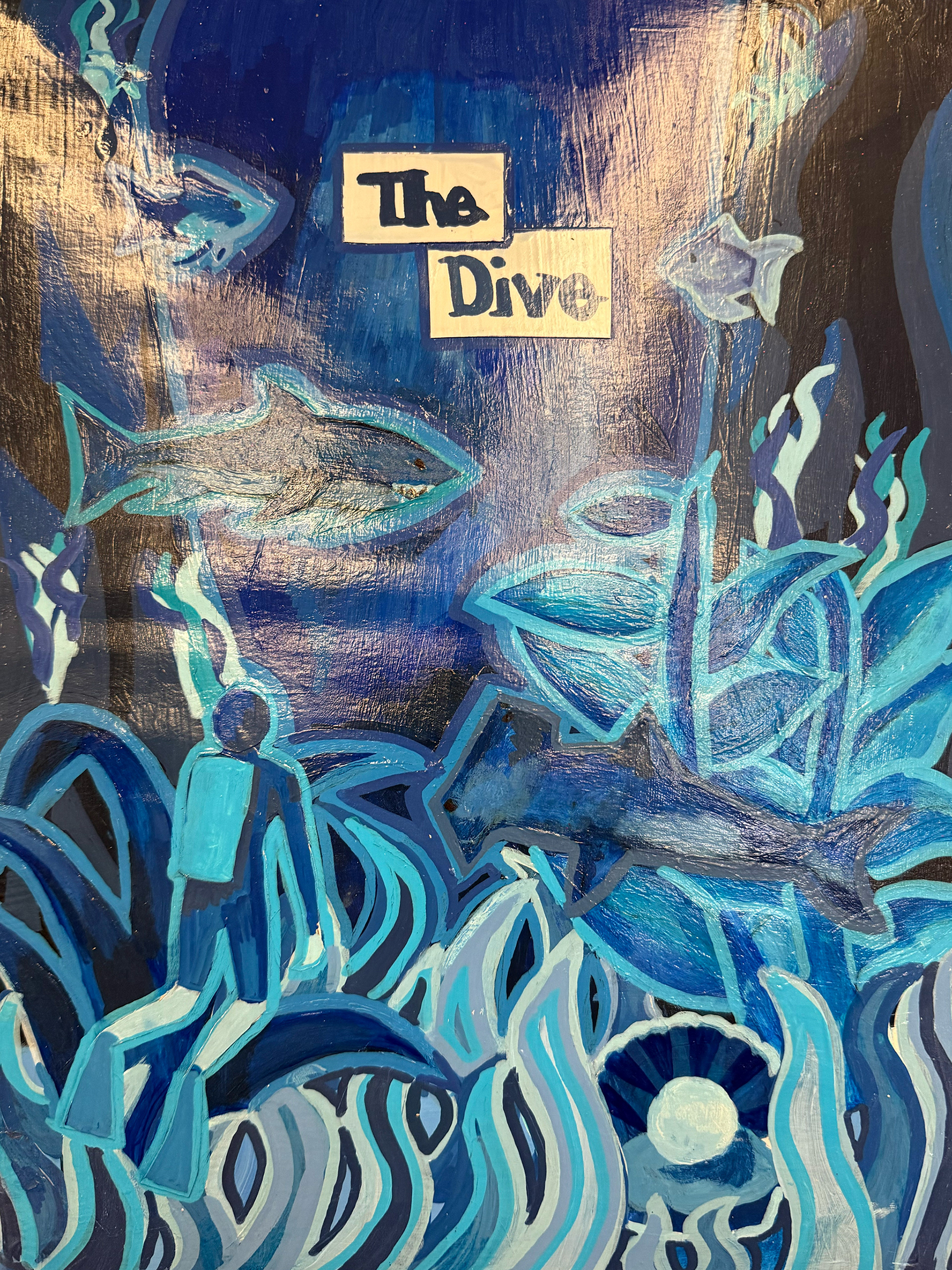
Duncan x. _2026 Spring_ART 225_2D Materials & Concepts_11" x 14"
x x. _2026 Spring_ART 225_2D Materials & Concepts_11" x 14"
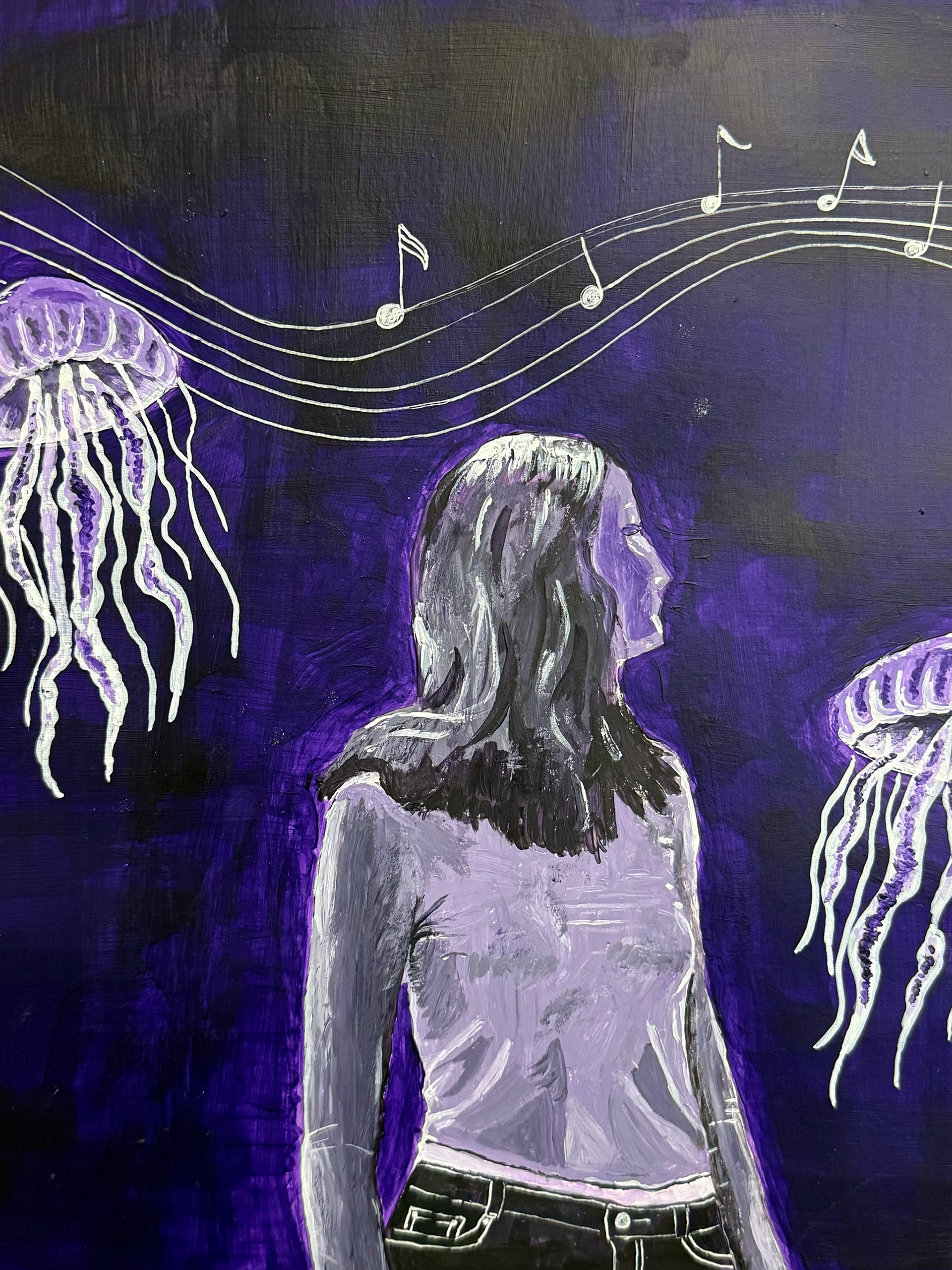
xx. _2025 Fall_ART 225_2D Materials & Concepts_11" x 22"
Project 3
Semiotics Triptych (Icon/ Index /Symbol)
Description
You will translate semiotic theory into visual form by designing a three‑panel piece (a triptych). Each panel will focus on one mode of meaning: icon, index, and symbol. Work in mixed media and aim for clear, readable ideas. The final should feel exhibition‑ready and communicate one cohesive theme across all three panels.
Project Concept
Choose a simple theme that matters to you (memory, migration, joy, climate, hometown, etc.). Express that theme three different ways:
Icon: a likeness of the thing itself (it looks like what it represents).
Index: a trace or imprint caused by the thing (smoke for fire, a footprint for a person).
Symbol: a learned sign that stands for the idea by cultural agreement (peace sign, flags, emojis, typography).
Keep the three panels visually related through composition, palette, materials, or repeated forms, so the set reads as one artwork. The twist is make this assignment your own!
Learning Objectives
By the end, you will be able to:
Distinguish between icon, index, and symbol in your own work.
Build a coherent visual system across multiple pieces.
Use composition, scale, and material choices to guide meaning.
Craft and defend a clear concept in writing and critique.
Demonstrate careful making and presentation.
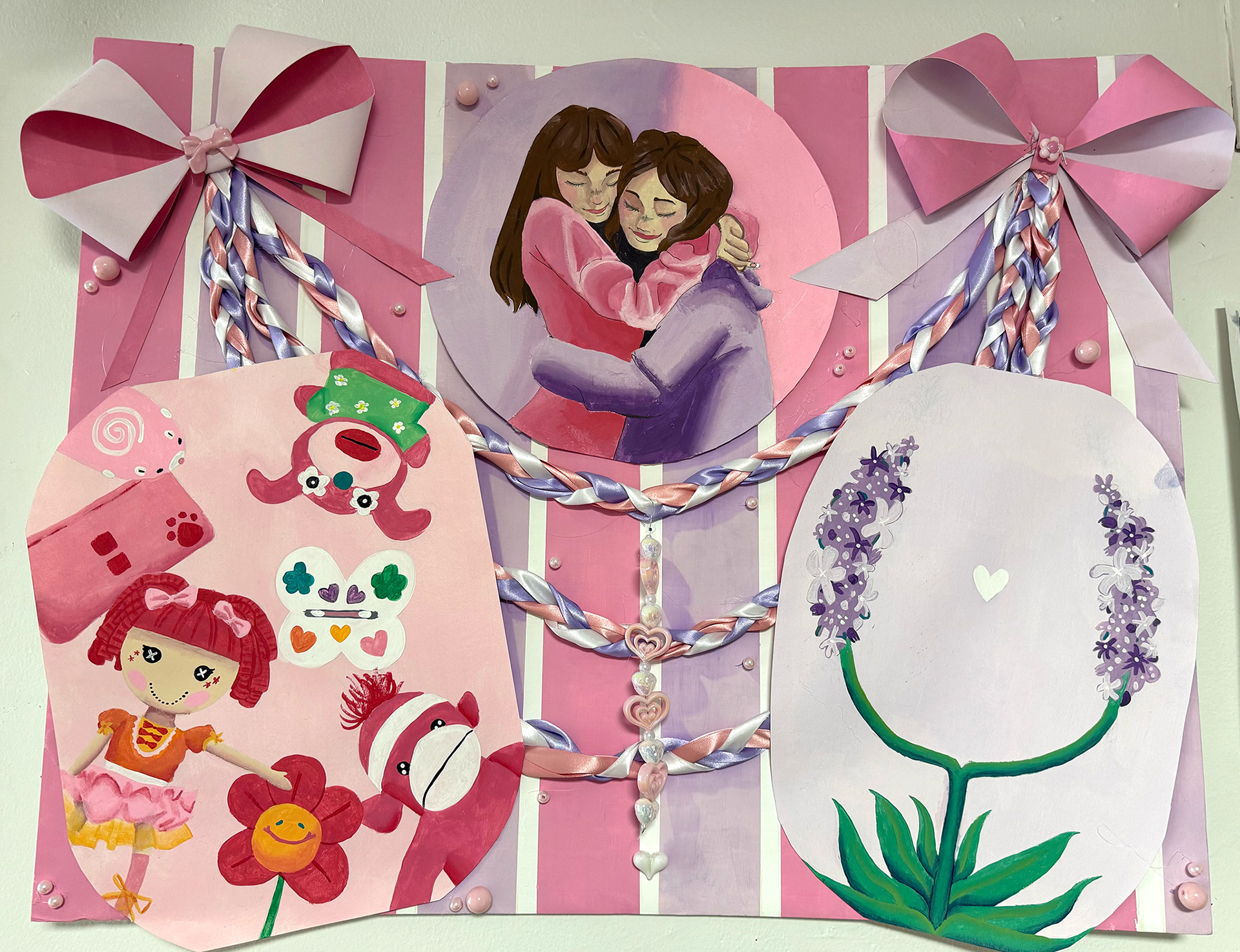
Morgan x. _2025 Fall_ART 225_2D Materials & Concepts_22" x 22"
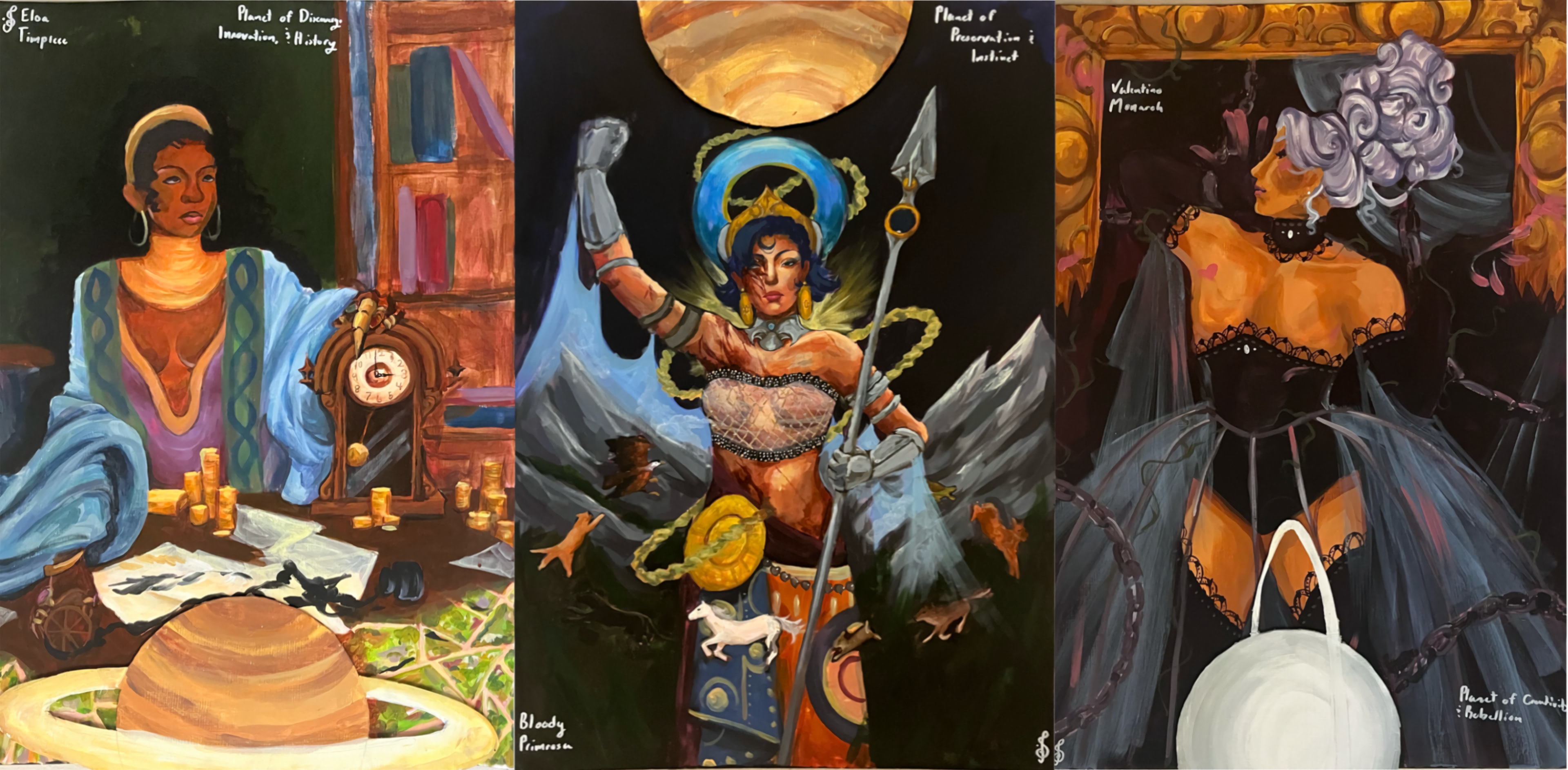
Lane x. _2025 Fall_ART 225_2D Materials & Concepts_11" x 22"
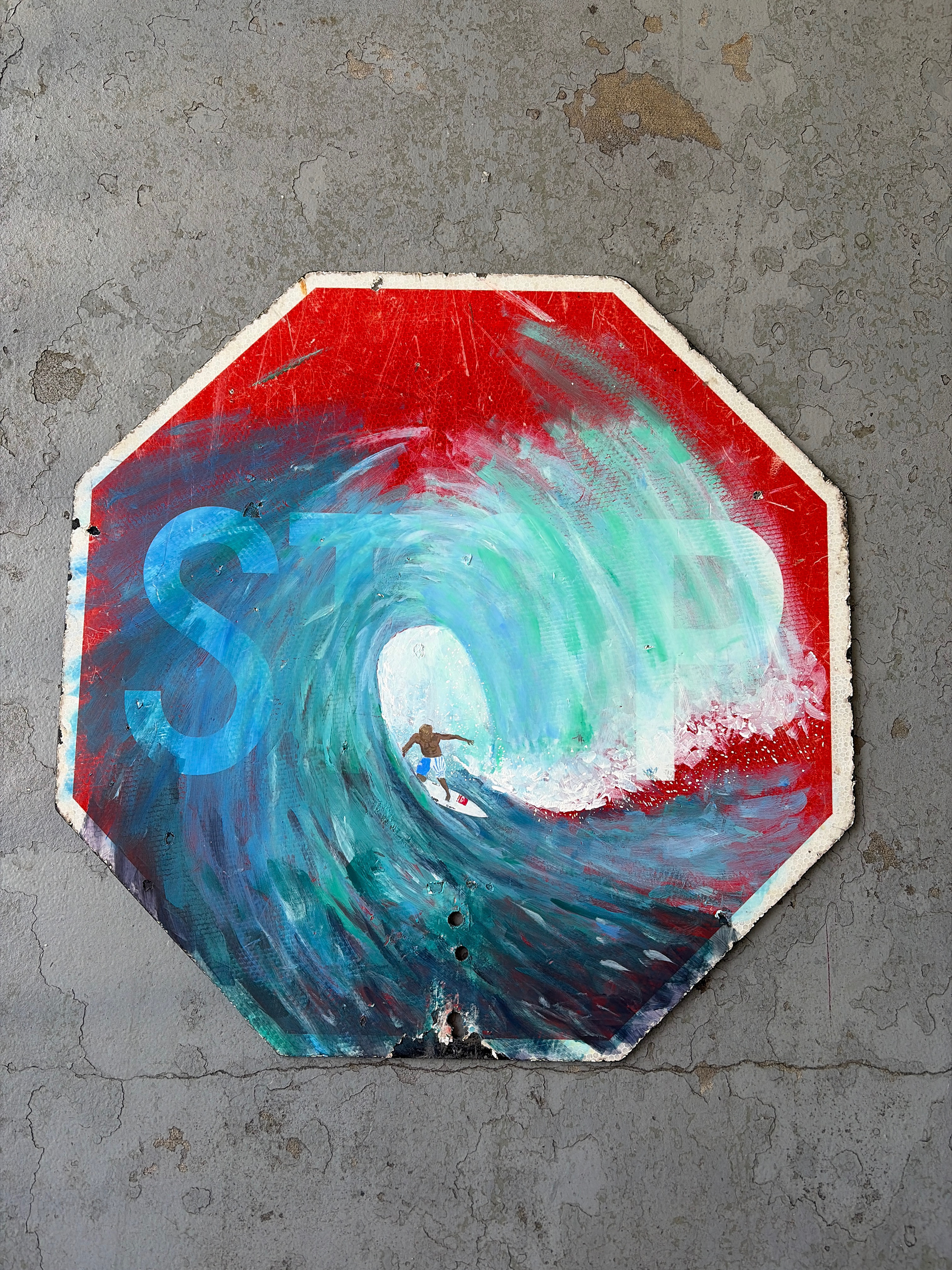
Gage x. _2026 Fall_ART 225_2D Materials & Concepts_11" x 22"
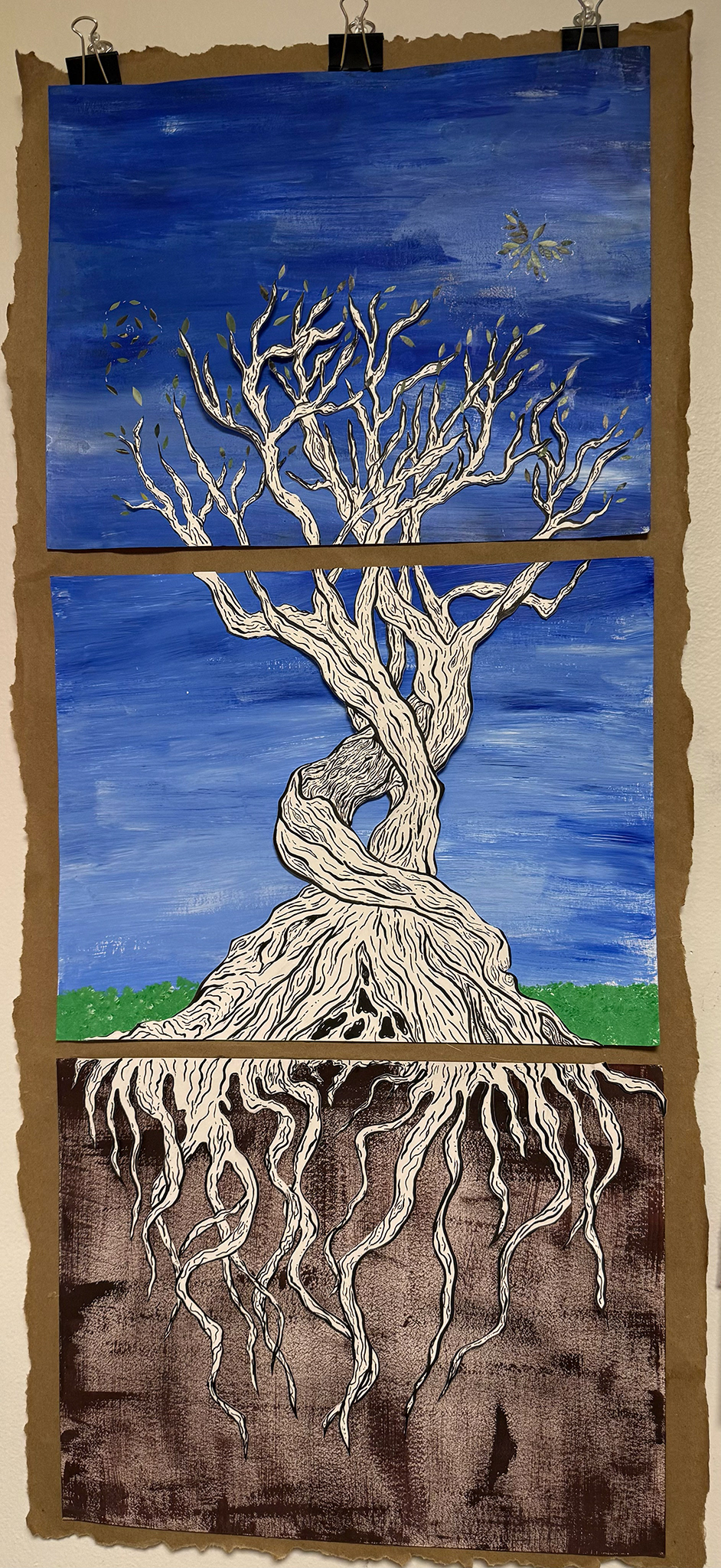
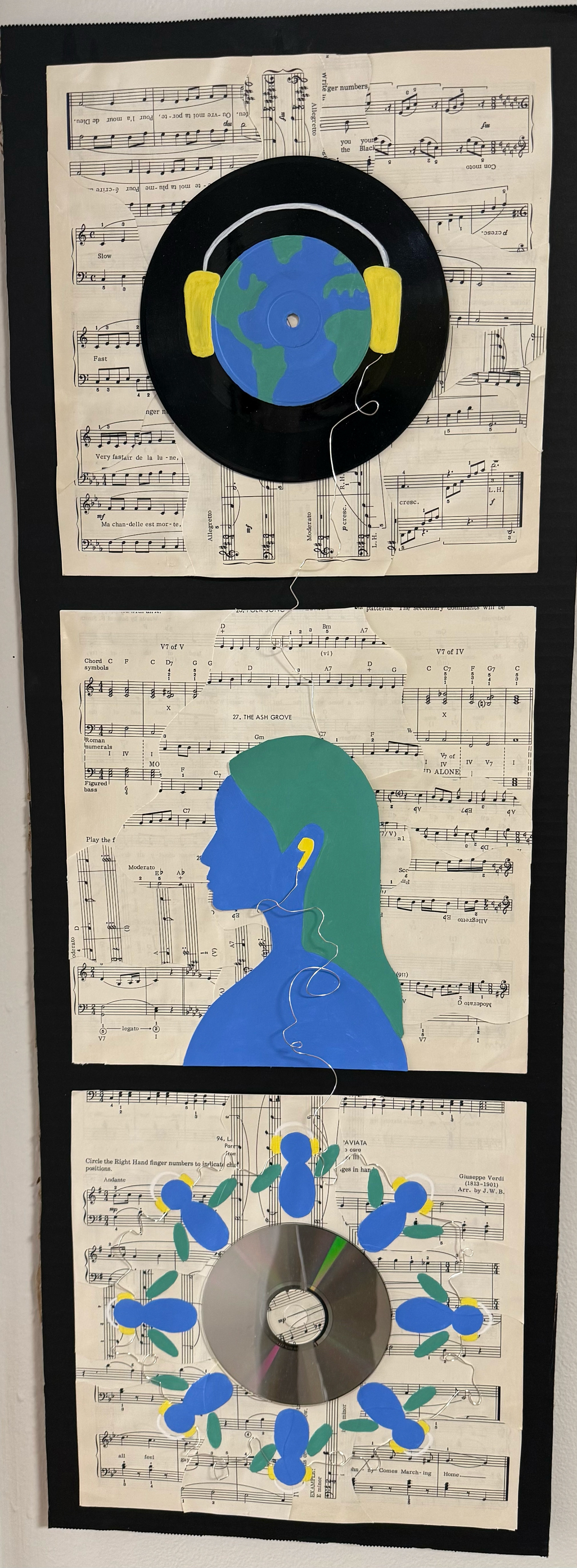
Sami x. _2025 Fall_ART 225_2D Materials & Concepts_11" x 22"
x x. _2025 Fall_ART 225_2D Materials & Concepts_11" x 22"
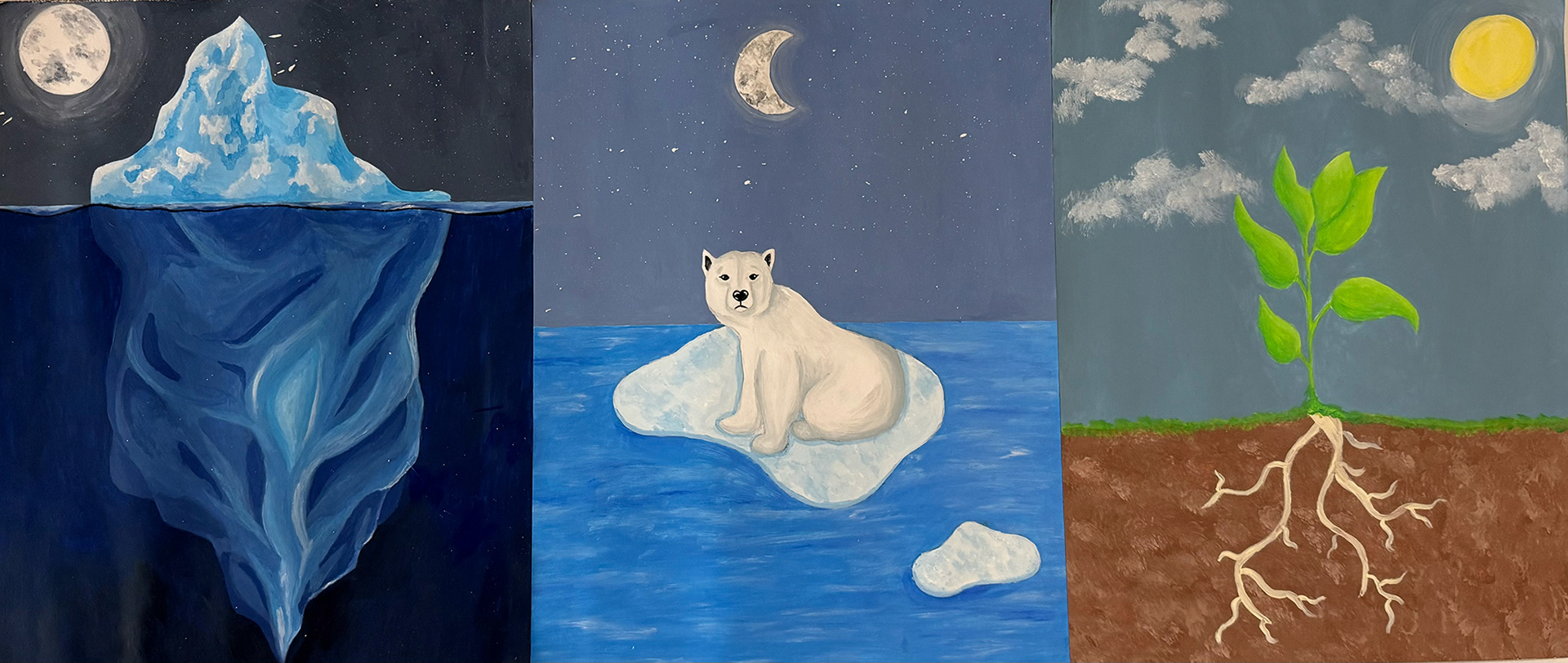
x x. _2025 Fall_ART 225_2D Materials & Concepts_11" x 22"
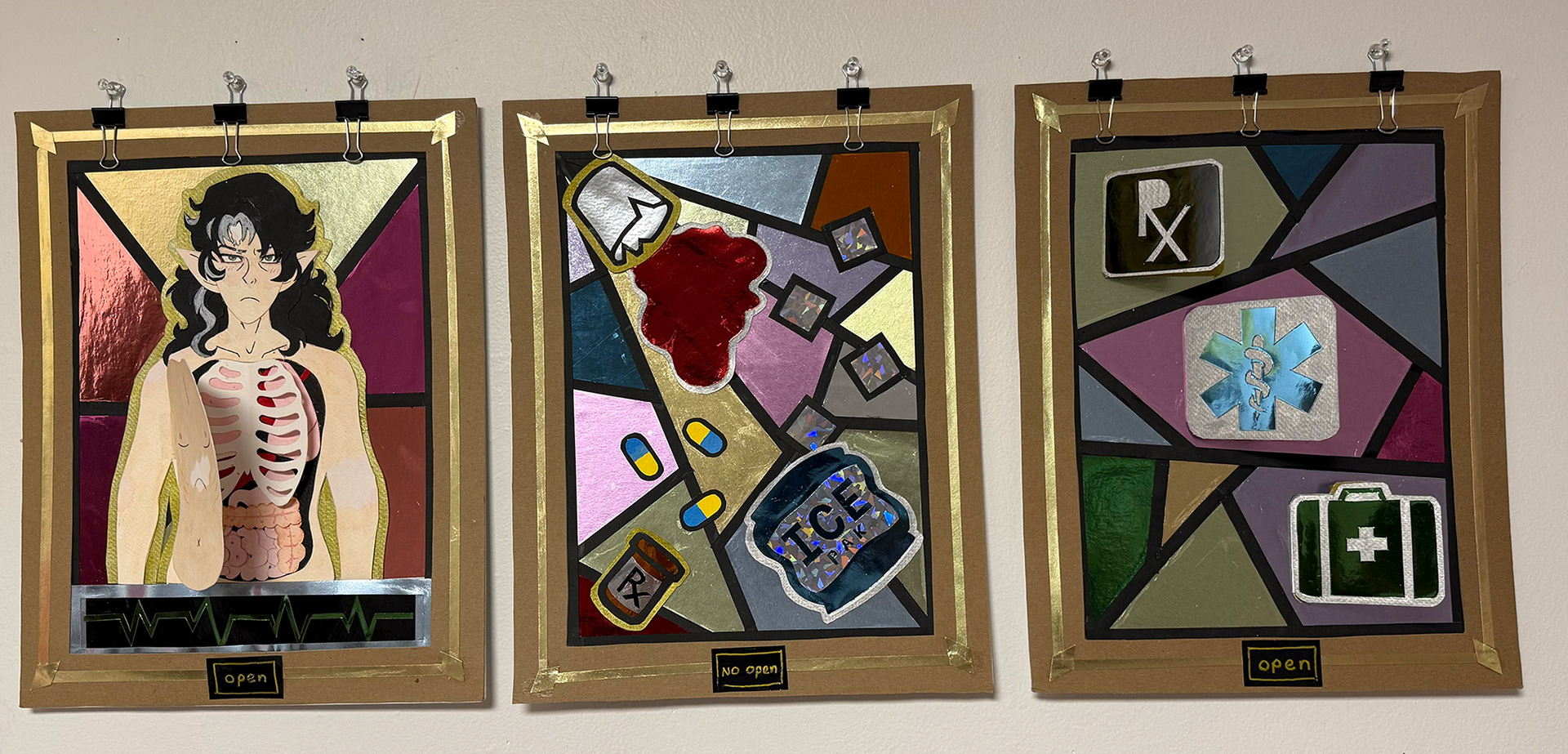
Luna x. _2025 Fall_ART 225_2D Materials & Concepts_11" x 22"
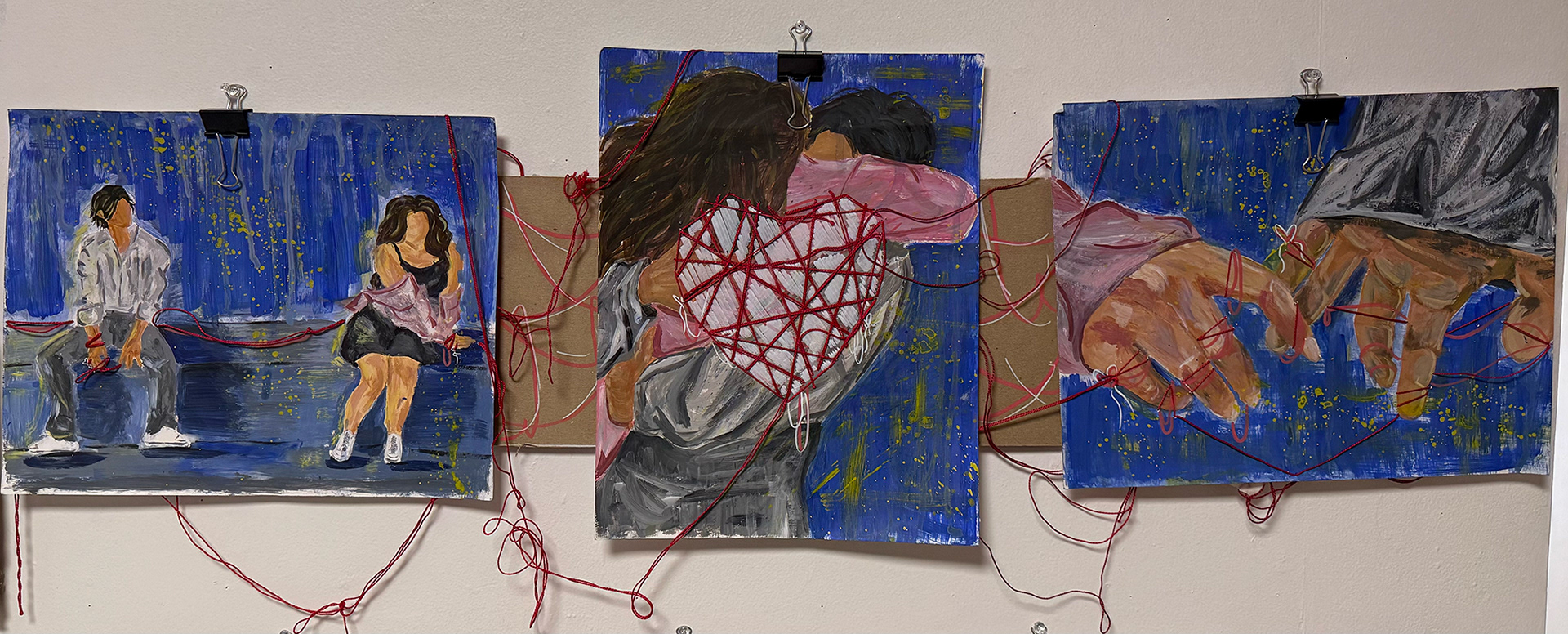
Nadia x. _2025 Fall_ART 225_2D Materials & Concepts_11" x 22"
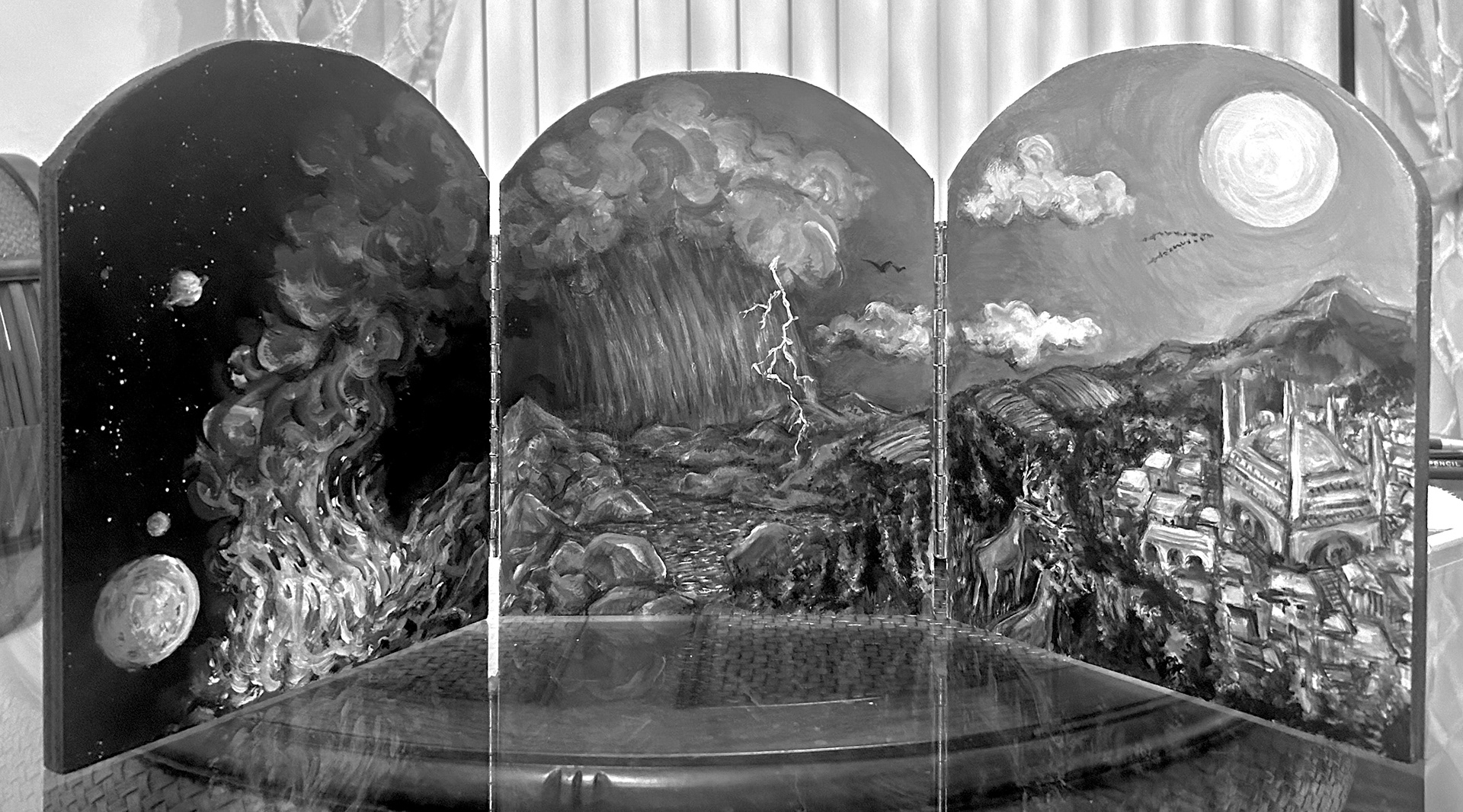
Raul x. _2025 Fall_ART 225_2D Materials & Concepts_11" x 22"
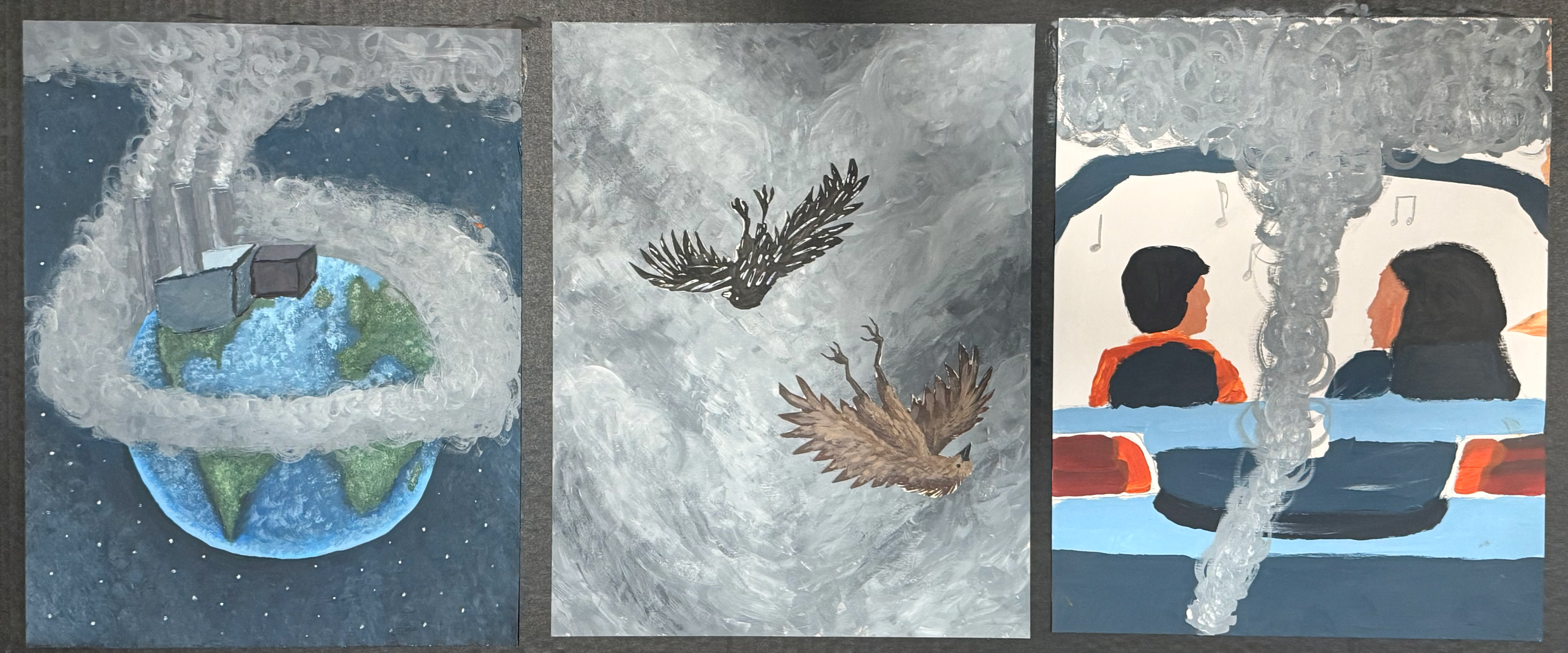
xx. _2025 Fall_ART 225_2D Materials & Concepts_11" x 22"